
Ducey: Government doing ‘everything that we can’ to limit opioid overdoses
Ducey said a big problem for opioid overdose is when people face pain and prescription drugs run out, they sometimes turn to heroin to help.

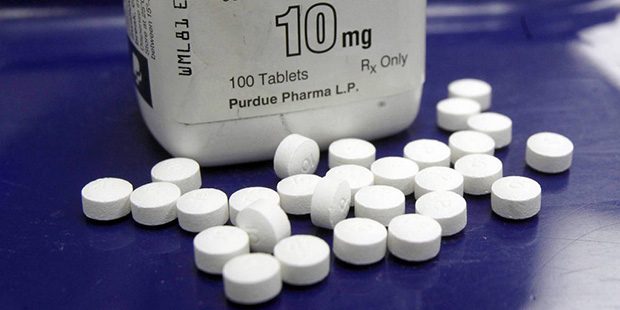
(AP Photo/Toby Talbot, File)
(AP Photo/Toby Talbot, File)
PHOENIX — Earlier in June, Arizona Gov. Doug Ducey declared a health emergency over opioid overdose deaths.
Numbers from the Arizona Department of Health Services showed 790 people in the state died last year from an overdoes, a 16 percent increase from 2015.
Ducey joined Mac & Gaydos on KTAR News 92.3 FM Monday evening and said they are trying to get the word out on this issue.
“We’re going to do everything that we can from a government perspective here,” Ducey said. “We’ve limited first-fill of opioids to prescriptions that the government is paying for. We’re working with Walgreens so people can return their unused opioids so that they don’t get out into the system.”
Ducey said a big problem is that when people are facing pain and their prescription drugs run out, they sometimes turn to heroin to help. In turn, the number of heroin deaths in Arizona is up three times as much as last year and they are at the highest level since 2012.
“A soccer mom doesn’t just start doing heroin,” Ducey said. “She has some kind of accident or surgery or has some type of chronic pain where if you do have that kind of chronic, incessant pain, these can be miracle drugs. What happens is that these can be over-prescribed, they can be abused and once someone does become addicted to these and they can no longer access them, that’s how they get to heroin.”
Ducey said that besides getting the word out to the general public, it’s important for doctors to adjust as well. He said that some doctors aren’t taught pain-management very well, and they need to judge when pain meds are necessary to patients, or if their patients have a problem.
On Tuesday, Ducey issued an executive order to increase the frequency of opioid-related data reports.
“Through this enhanced surveillance, public health officials will be able to collect data in real-time to enhance our laser-like focus to treat addiction and prevent overdoses,” he said in a release.
Dr. Cara Christ, the director of the Arizona Department of Health Services, said current reporting includes information that is up to a year old.
“That doesn’t give us a clear picture of what is happening every day,” she said in a release. “[Tuesday]’s executive order will help us obtain timely data and get help to the people who need it in our effort to reduce opioid deaths.”
Related
 Tempe bar offering reward after man steals elk head
 Taiwan opens Phoenix office despite pressure from China
 Greg Stanton, Zudhi Jasser trade blame on affordability in 4th Congressional District debate
 Interstate 10 near Buckeye reopens after crash caused 5-hour closure
 Lieutenant governor candidates debate role of Arizona’s newest office
 Arizona wildlife officials warn about pumpkins’ allure to animals

Comments
2 Comments
"government doing all they can" no they are not. Look on MSN news for this headline "Drug Gangs Open an Online Chinese Connection for Opioid"China's shipments into the United States are not checked. The local sheriff doesn't even have the credentials to demand inland port shipments be inspected, and people don't know this. Do you want to know exactly how the Chinese import system to the USA actually works? channelingreality DOT com/NAU/Transpacific_Multimodal.htm
No, the "Government doing all they can" is not true. Courts sentence people convicted of DUI (which includes driving with opiates in the blood stream), to mandated drug counseling, but once completed there is no follow up with the person and no options offered to continue any type of treatment.
The court ordered drug testing that people are required to do does provide accountability, but this is really a scam for the company (TASC) doing the testing. They raise prices whenever they want, only have a few locations, and the way they decide to call people in to test sets people up for failure - Which keeps people coming back so they make more money.
If the government wants to do all they can, ask people familiar with the effects of drug addiction for suggestions, not politicians.