
Maricopa County offering fiscal help to renters struggling due to pandemic
The financial help comes -- for up to 6,000 renters -- as extra unemployment assistance and eviction freezes expire at the end of July.

(Pexels/PhotoMIX)
(Pexels/PhotoMIX)



































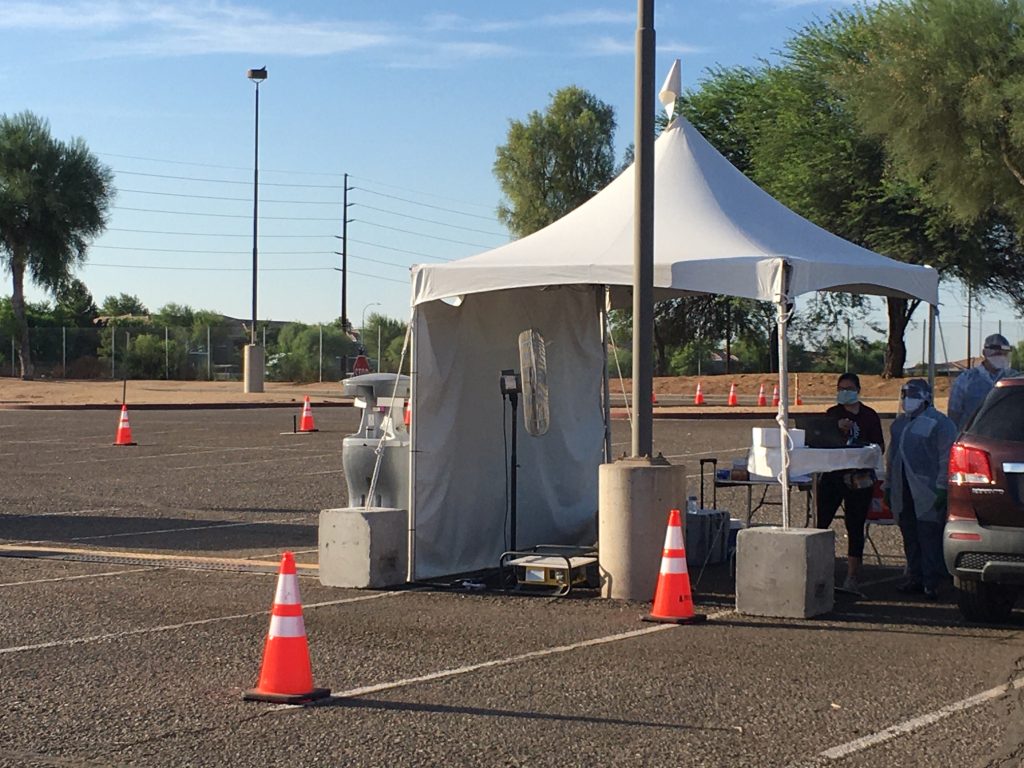






PHOENIX — Maricopa County has $30 million to help renters struggling through COVID-19.
Renters will need to show at a minimum documentation of impact to get the money from the Rental Assistance Program. They will also need photo identification, lease agreement and proof of household income.
“There are no family share of costs in this program,” Maricopa County Human Services Director Bruce Liggett said during a webinar on Wednesday.
The financial help comes — for up to 6,000 renters — as extra unemployment assistance and eviction freezes expire at the end of July.
“Irrespective of any continuation of the moratoriums, it would be important to know who is able to pay, and who is not able to pay the rent, especially with the anticipated reduction of unemployment insurance,” Liggett said.
Renters could get up to $1,500 per month through December, and sometimes for overdue rent.
“It’ll be good to get money into the hands of the landlords, on behalf of the renters, and strengthen that community,” Liggett said.
Renters could also qualify for financial help with utilities.
On the economic front, the county’s Small Business Relief Program has been doling out grants.
“We’ve had 110 applicants already approved and receiving money,” Fields Moseley, county spokesman, said during the webinar. “The total amount of grants is $893,000 in just four business days. That has been granted to various non-profits and small businesses.”
Qualifying businesses will need to have 25 or fewer employees, saw gross revenues drop by 25% in March and April year over year and have not received other government COVID-19 relief.
Small businesses would receive up to $10,000 from $23 million in CARES Act funding.
Phoenix and Mesa residents and businesses do not qualify for either of these county programs. Their cities are distributing their own CARES Act funding for their own programs.
Moseley says the county usually doesn’t provide money like this.
“The county typically supports economic growth in different ways than cities do, through balanced regulatory polices and not direct support to business,” he explained. “This was a new frontier for the board of supervisors and county staff.”
Related
 Arizona ban on evictions set to end as heat, coronavirus cases soar
 Donald Trump touts Arizona copper and chips, revisits stolen election lie at Bullhead City rally
 No Kings protests set for Saturday
 President Donald Trump insults Gov. Katie Hobbs in Bullhead City rally: ‘She’s just a dumb person’
 Phoenix man sentenced to 10 years in federal prison for COVID fraud, firearm offenses
 Arizona AG Kris Mayes sues OpenAI for allegedly deceiving ChatGPT users

Comments
0 Comments