
E-cigarette maker Juul agrees to $14.5M settlement with Arizona
Arizona has reached a $14.5 million settlement with Juul Labs over allegations the electronic cigarette maker marketed its products to children and misrepresented their addictive nature.


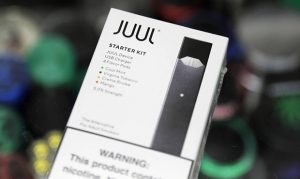
Electronic cigarettes and pods by Juul are offered for sale on Sept. 13, 2018, in Chicago. (Photo by Scott Olson/Getty Images)
(Photo by Scott Olson/Getty Images)
PHOENIX – Arizona has reached a $14.5 million settlement with Juul Labs over allegations the electronic cigarette maker marketed its products to children and misrepresented their addictive nature, state officials announced Tuesday.
“Today’s settlement holds Juul accountable for its irresponsible marketing efforts that pushed Arizona minors toward nicotine and the addiction that follows,” state Attorney General Mark Brnovich said in a press release.
Brnovich’s office sued Juul in January 2020, alleging that the company enticed underaged users with kid-friendly flavors and misled consumers about nicotine levels in vaping products.
All but $2 million of the settlement, which is pending court approval, will go toward programs to stop youth vaping.
Juul also agreed not to engage in marketing practices in Arizona that target minors, such as using cartoons in ads and paying social media influencers to promote its products.
“This settlement is another step in our ongoing effort to reset our company and we applaud the attorney general’s plan to deploy resources to address underage use,” Juul said in a statement.
“We will continue working with federal and state stakeholders to advance a fully regulated, science-based marketplace for vapor products.”
Brnovich also sued another e-cigarette company last year, obtaining a $22.5 million judgment against Eonsmoke in August 2020.
In June of this year, Juul agreed to pay $40 million to North Carolina and take more action to prevent underage use and sales.
Teen use of e-cigarettes skyrocketed more than 70% after Juul’s launch in 2015, leading the U.S. Food and Drug Administration to declare an “epidemic” of underage vaping among teenagers.
Health experts said the unprecedented increase risked hooking a generation of young people on nicotine, an addictive chemical that is harmful to the developing brain.
Juul has seen sales fall after already halting all advertising and social media promotion and pulling most of its flavors except for menthol.
Teen vaping dropped significantly last year, according to the federal Centers for Disease Control and Prevention. In a national survey, just under 20% of high school students said they were recent users of electronic cigarettes and other vaping products, down from about 28% in 2019.
Experts point to restrictions on flavors along with a new federal law that raised the age limit for all tobacco and vaping sales to 21.
Anti-vaping advocates welcomed the decision. But they said more restrictions are needed to curb teen use, including banning menthol from Juul and all other e-cigarettes.
The Associated Press contributed to this report.
Related
 Arizona AG suing 2 vaping companies he says targeted youth
 Arizona teen's lawsuit claims Juul got him addicted to nicotineHooked on Vaping: What KTAR News learned about e-cigarette use by teens
 Search underway for 83-year-old man who went missing while hiking Grand Canyon’s North Rim
 Gov. Katie Hobbs and Andy Biggs must pick lieutenant governors ahead of Election Day
 Solange Whitehead takes early lead in Scottsdale City Council primary

Comments