
DEA in Arizona warns of ‘extremely dangerous’ form of fentanyl
The head of the Drug Enforcement Administration in Arizona is warning people of an extremely dangerous form of fentanyl that's been found in overdoses.

(Getty Images Photo/Drew Angerer)
(Getty Images Photo/Drew Angerer)
PHOENIX — The head of the Drug Enforcement Administration in Arizona is warning about an “extremely dangerous” form of fentanyl that has been found in suspected overdose deaths in the state.
It’s called para-fluorofentanyl, or pFF.
“This is more potent and more potentially fatal,” Arizona DEA Special Agent Cheri Oz told KTAR News 92.3 FM.
She added it also is possibly more addictive than other fentanyl analogues, which have modifications to their chemical structure and have similar effects as fentanyl.
The Maricopa County Office of the Medical Examiner has found para-fluorofentanyl in 11 suspected overdose deaths since the beginning of December, according to the DEA. Other illicit drugs were also found in these deaths, including heroin, cocaine and methamphetamine.
The DEA believes Mexican drug trafficking organizations are intentionally producing para-fluorofentanyl in clandestine production facilities.
Oz noted para-fluorofentanyl has been around for some time, but it hadn’t been found in illicit drugs until now.
“We need to get the word out because it’s important that our first responders know that this exists and that it is more potentially fatal and dangerous to them,” Oz said.
“It’s almost important that citizens know that para-fluorofentanyl can be disguised in anything.”
The origin of supply for pFF in Arizona remains unknown. Anyone with information is asked to contact the Arizona DEA office at 571-362-5600 or visit the DEA’s website.
Related
 Pinal County makes Narcan available to residents to combat opioid epidemic
 Arizona sees increase in drug overdoses involving heroin
 Adolescents at risk in drug overdose rise during COVID-19 pandemic
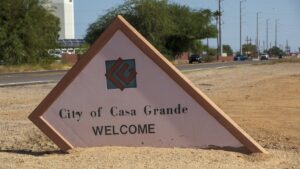 Casa Grande approves 954-acre data center after county denies similar projects
 SAFE Alert canceled after 88-year-old Phoenix woman located
 Stranded hiker rescued after storms washed away gear in Yavapai County wilderness

Comments
0 Comments