
Gilbert Town Council approves 25% water rate hike to reduce reliance on Colorado River
Gilbert officials say a 25% water rate increase is vital to reduce reliance on Colorado River water, which makes up over 40% of the town's supply.
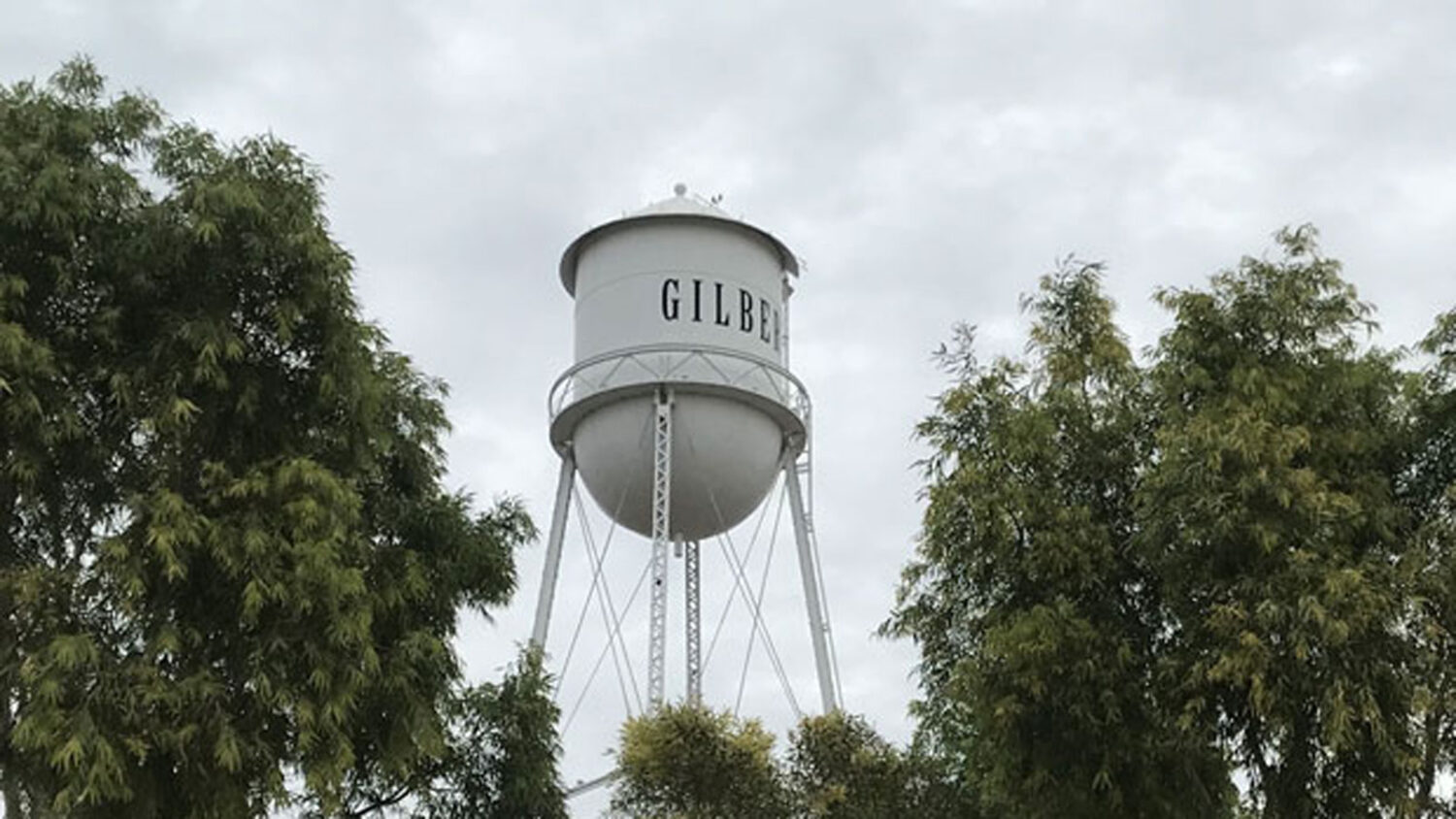
The Gilbert Town Council approved a water rate hike of 25%. (KTAR News file photo/Kevin Stone)
(KTAR News file photo/Kevin Stone)
GILBERT — In a 4-3 vote Tuesday night, the Gilbert Town Council approved a water rate hike of 25%.
The rates will go into place on April 1.
Gilbert staff say the increase is vital to reduce reliance on Colorado River water, which currently makes up about 41% of Gilbert’s water supply. The community is investing in eight new wells and multimillion-dollar upgrades to its North Water Treatment Plant.
“This has been a really difficult conversation with the community,” Rebecca Hamel, Gilbert’s water manager, previously told the council. “We don’t want to do rate increases. We are doing them because we have to.”
The increase comes as some residents complain they are paying three times more for water than they did just a few years ago.
Read the full story from ABC15 Arizona here.
Related
 Arizona, other Colorado River basin states miss latest deadline on water use deal
 ASU gets $2M federal grant to develop water reuse tech for semiconductor manufacturing
 Upper Verde River on verge of earning state’s highest water quality protection level
 Woman running 2,000 miles in 100 days to sound alarm about Colorado River water crisis
 Water expected to be restored to Grand Canyon’s South Rim in weeks following flash flood
 Grand Canyon shuts off potable water for visitors at South Rim in conservation effort
Comments
12 Comments
You’re not counting all the agricultural use
The use of water in agriculture is the biggest reason why the Colorado is running dangerously low… Which is an easily observable fact
Maybe you shouldn’t have moved somewhere with a finite and dwindling supply of water
The Phoenix Valley can’t just keep growing infinitely to accommodate every snowbird or Midwestern or Californian transplant there is, on top of who already lives here… Eventually the water runs out
The payments have been deferred for decades, but now is finally when we are all starting to pay the price for so many people wanting to live here
It's true that metro PHX uses the same amount of water as 1960. It's largely due to the vast decrease in agriculture, conservation practices (e.g. the Gilbert and other cities efforts to reduce usage, less live green landscaping, water efficient appliances) and use of different water sources other than ground water. That does not indicate that we can just "water, baby, water!" however. All you have to do is look at Colorado River water levels to see the approaching problem.