
Woman running 2,000 miles in 100 days to sound alarm about Colorado River water crisis
Along the way, Mina Guli has been meeting people in communities whose economies rely on the river and listening to their stories.

Watch: Water Watch: Ultra runner tackles 2,000-mile trek along the Colorado River to sound the alarm on its water crisis | 1 min
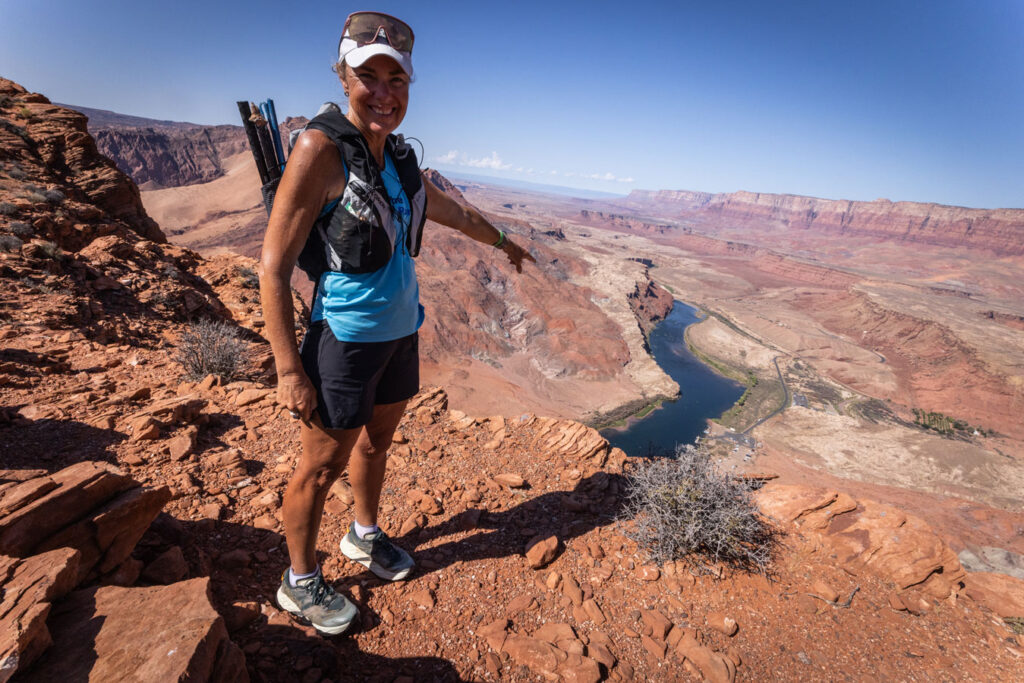
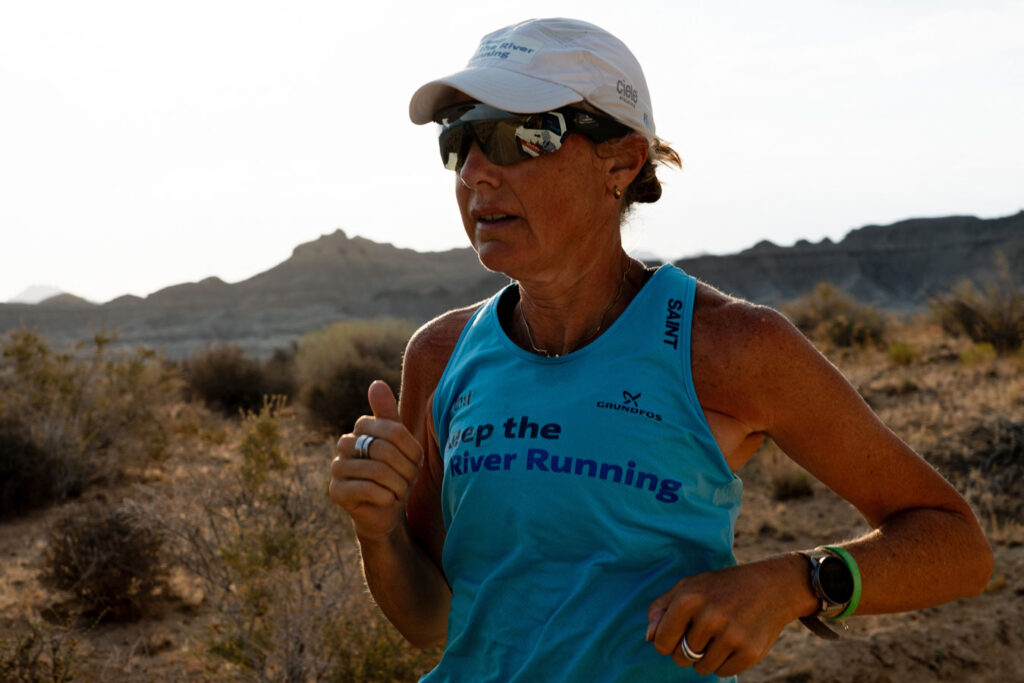
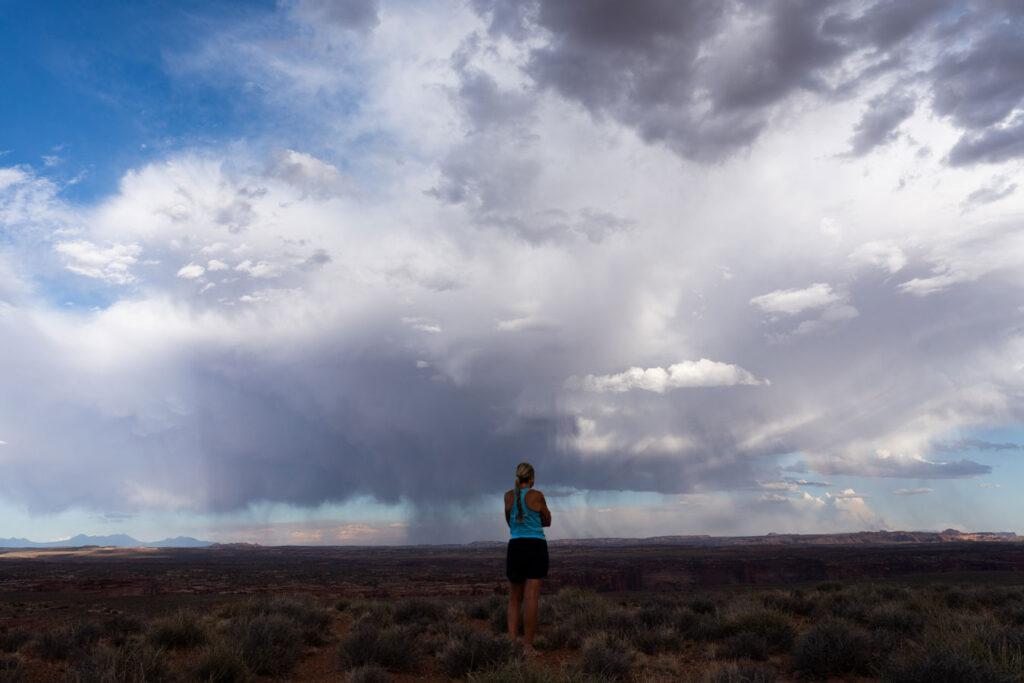
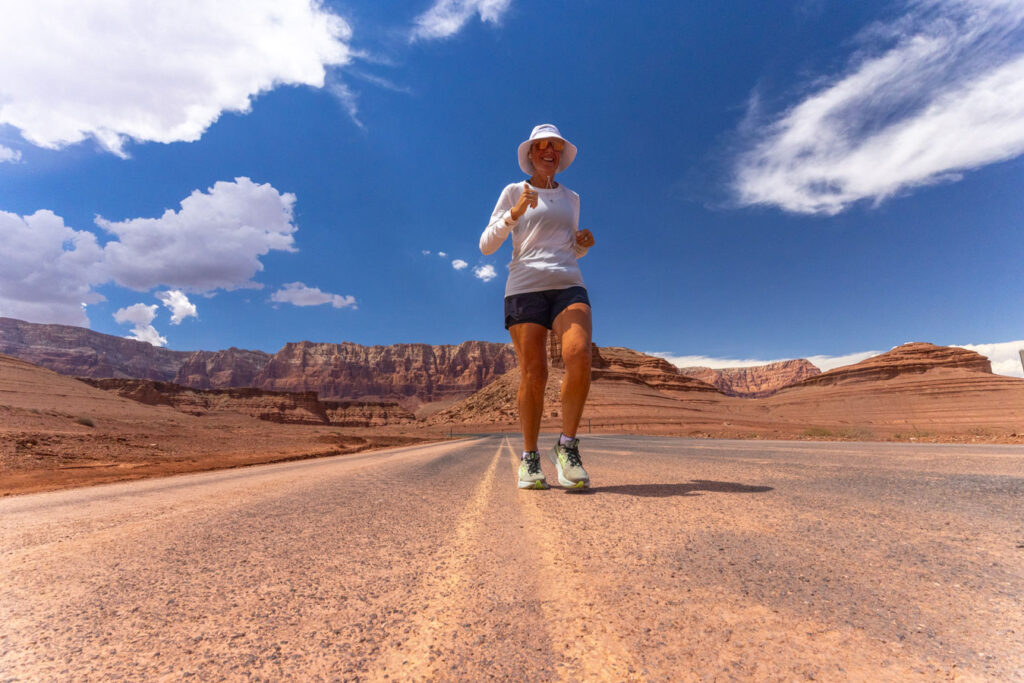
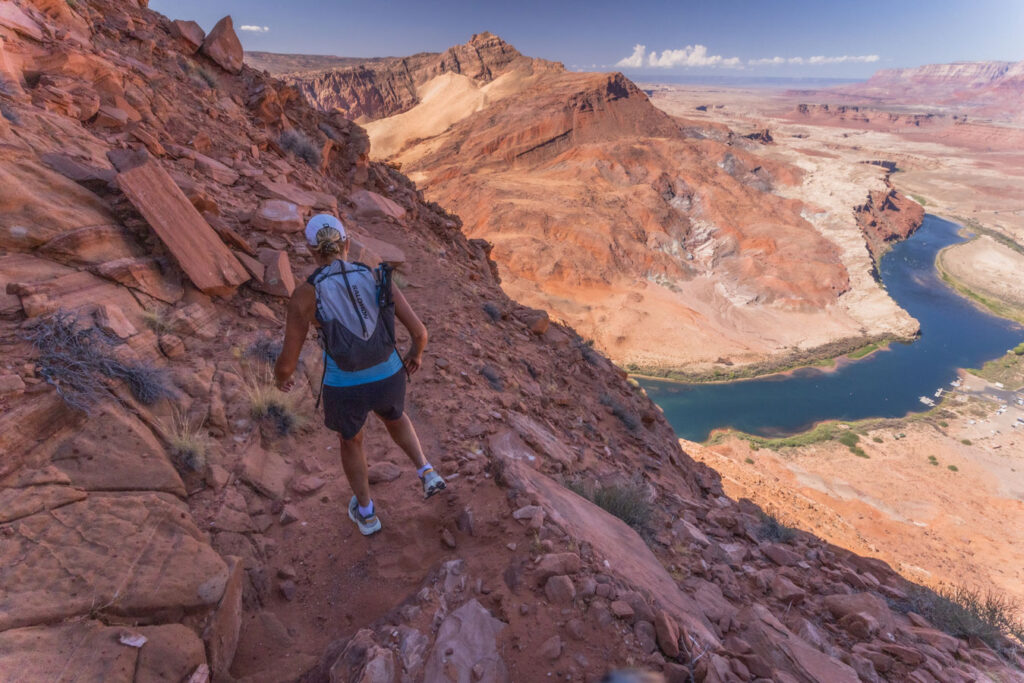
An Australian ultramarathoner is running 2,000 miles, including the length of the Colorado River, in 100 days to spotlight the growing strain on one of the West’s most critical water systems.
“I know I feel crazy when I say that,” Mina Guli told KTAR News 92.3 FM from Yuma last week.
Guli, CEO of the Thirst Foundation, launched the effort as part of her Keep the River Running campaign.
She set the ambitious goal to show others that if she can take on something this daunting, communities across the Colorado River Basin can come together to reverse the river’s decline.
“It’s under environmental pressure because the snowpack and the amount of meltwater that’s coming down the river is lower than it has been in many years. And it is consistently low. Experts are telling us that the forecast is that it will remain consistently low,” Guli said.
She’ll complete the 2,000-mile run in Los Angeles next week.
Stories from Colorado River communities
Along the way, Guli has been meeting with people in communities whose economies rely on the river and hearing their stories.
She recently met with farmers in Yuma County and learned how they’re using new technology to save even more water while farming, as about 70% of Arizona’s water supply goes to irrigated agriculture.
“Basically, people talk about it as crop per drop. So, it increases the amount of crop that you can produce per drop of water,” Guli said.
She ran with residents in Grand Junction, Colorado, near the Rocky Mountains, where the summer snowmelt has disappeared.
“Even at this time of year, there were people showing me pictures on their phones of snow that they used to visit at this time of year, all gone,” Guli said.
Guli also met with Grand Canyon rafting guides who worry they won’t have jobs next summer because the number of rafts going through the canyon has dropped dramatically.
She needed to hitch a ride on a raft to cross a section of the river that is not passable on foot.
“We waited an entire day, and only by the end of the day, when we were starting to get worried, did a rafting group come by,” Guli said.
Again and again, small business owners along the river have told her the same thing — traffic is declining.
“The fact [is] that this is not just an environmental challenge, this is an economic concern that is really truly affecting the lives of entire communities up and down this river,” Guli said.
Guli followed the Colorado River into Mexico and was heartbroken to find it no longer reached the Gulf of California.
“The truth is that the vast majority of the water is being diverted for use. Which makes me torn because using the water is great, right. Growing food and textiles, all of that is great … but not seeing it go to where it used to go is heartbreaking,” Guli said.
Related
 Arizona joins lawsuit over Colorado River plan, warns of deep water cuts
 Is Arizona’s water supply getting boost from recent storms, El Niño?
 Arizona Cotton Growers Association honors lawmaker for service to agriculture industry
 Scottsdale considers new restrictions for large water users as demand rises
 Rep. Andy Biggs says ‘water’s No. 1’ as he hears from Arizonans during run for governor
 Amazon launches collaborative initiative to fund Colorado River Basin water projects

Comments
7 Comments
What a HERO! I had no idea there was a crisis with the amount of water that the Colorado river can supply, until the story about this HERO! I wonder why the local news has not mentioned this crisis every day for the past several years. Why did it take this HERO to bring this to our attention? Thank God for this HERO!
Greed is overpowering common sense.
Water is in limited supply in AZ but they continue to build DATA CENTERS even in the middle of the city!!