
Scottsdale performs Arizona’s 1st lead-free heart procedure, milestone for medical future
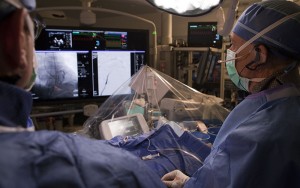
Doctors David Rizik and Paul Sorajja at Banner - University Medicine Cardiology in Scottsdale performed Arizona's first lead-free heart procedure earlier this month.

Watch: FBI told to stop investigating ICE shootings — What happens now? | 7 mins
Doctors David Rizik and Paul Sorajja at Banner – University Medicine Cardiology in Scottsdale performed Arizona’s first lead-free heart procedure earlier this month.
Dr. Rizik has been working on bringing Enhanced Radiation Protection Devices (ERPDs) to Arizona, and through this device, Dr.’s Rizik and Sorajja performed the first lead-free cardiac catheterization procedure in the state on June 1.
“For decades, interventional cardiologists and cath lab staff have relied on heavy lead aprons, weighing up to 20 pounds, to protect against radiation exposure during life-saving heart procedures,” Dr. Sorajja said in a news release. “While effective at shielding the torso, these aprons have caused widespread chronic spine, neurological and orthopedic problems, forcing many cardiologists into early retirement with permanent disabilities.
“Traditional lead aprons also leave critical areas exposed, including the head, neck, face and arms, contributing to higher rates of brain tumors among specialists and creating significant barriers to specialty diversity, particularly for women physicians during childbearing years.”


Dr. Rizik realized through advancements in radiation technology, ERPDs could solve longstanding problems and bring enhanced safety to procedures for medical professionals.
ERPDs are large, fixed or mobile shields that block radiation from multiple angles by surrounding the patient and operator, providing full-body protection without needing lead garments.
To test the effectiveness of the ERPDs, four large-scale clinical trials were performed, which showed reduction in radiation exposure by more than 99% and it brought staff exposure to zero or near zero in many cases, the news release said.
“For 50 years, we’ve asked interventional cardiologists to sacrifice their own health to save their patients’ lives,” Dr. Rizik said. “These newer technologies finally allow us to protect our physicians and staff while delivering the same exceptional cardiac care our patients depend on.
“This isn’t just about physician wellness; it’s about ensuring we can attract the best and brightest talent to this specialty for generations to come.”
With this advancement, Banner’s Cardiac Cath Lab will be able to eliminate the decades-old required lead aprons during cardiac catheterization procedures.
Not only do ERPDs set a new standard for medical safety in the future, but it opens a window for future generations who were deterred from the profession due to the long-term health concerns of the lead aprons.
Related
 New heart procedure reduces patient recovery time
 Banner Health identifies patient who was unable to communicate due to injury
 Phoenix mayor says TSMC’s $265 billion investment is historic on multiple levels
 TSMC announces additional $100 billion investment in Arizona operations
 Arizona receives slice of 42-state, $18M settlement over 23andMe genetic data breach
 Salt River Project, the Valley’s largest electricity provider, inks major wind energy deal

Comments