
Arizona regulators approve plan to shield rural energy customers from data centers costs
The approved application requests the Arizona Corporation Commission's approval be required for electric service agreements between large-load customers and the distribution cooperatives.

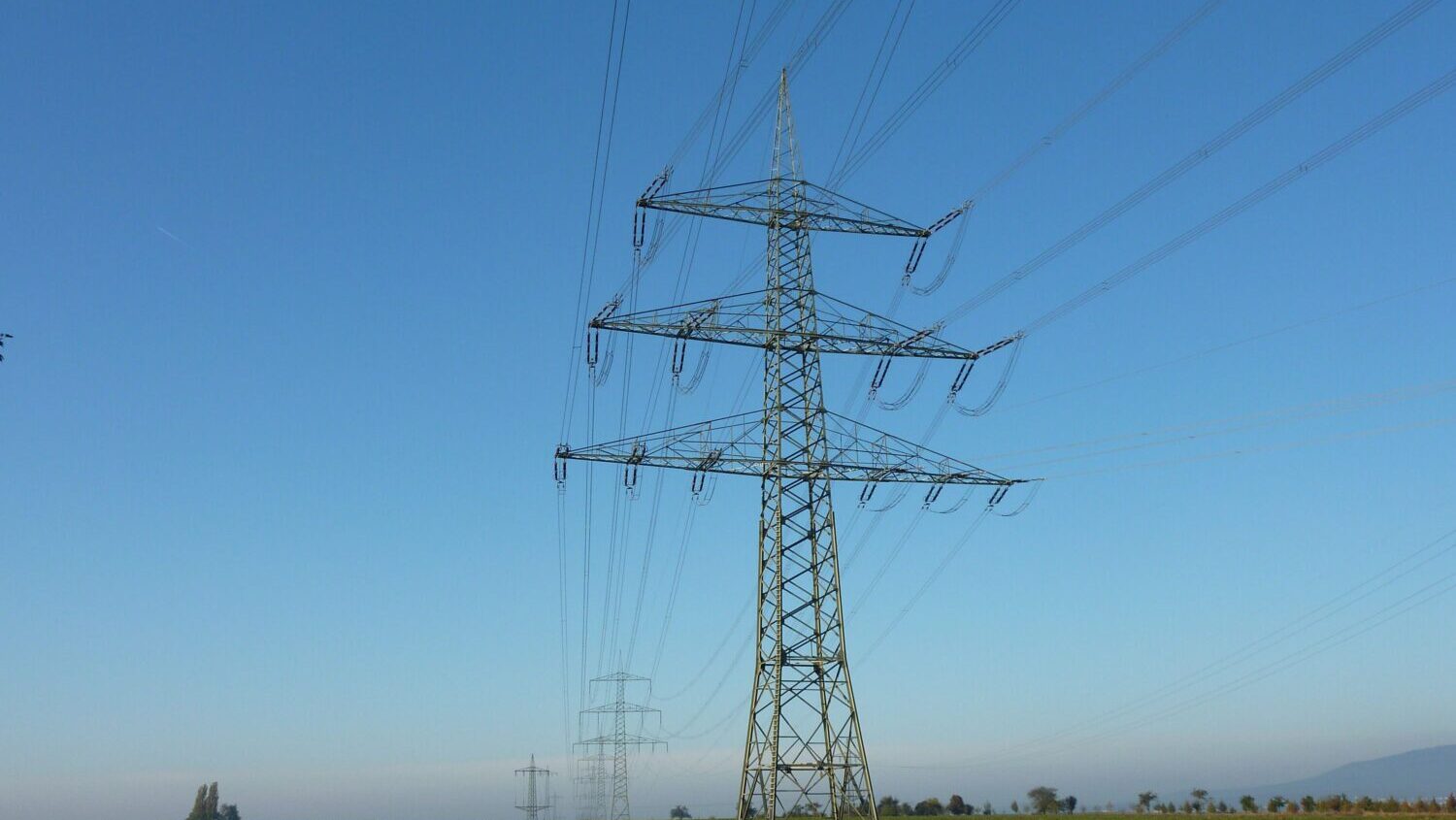
The Arizona Corporation Commission unanimously approved a joint application Wednesday that creates a process to protect existing energy customers from costs caused by new large-load businesses, such as data centers. (Photo via Pexels)
(Photo via Pexels)
The Arizona Corporation Commission unanimously approved a joint application Wednesday that creates a process to protect existing energy customers from costs caused by new large-load businesses, such as data centers.
The application was a collaboration between Arizona Electric Power Cooperative, Duncan Valley Electric Cooperative, Sulphur Springs Valley Electric Cooperative, Mohave Electric Cooperative, Graham County Electric Cooperative and Trio Electric Cooperative. It requests ACC’s approval be required for electric service agreements between large-load customers and the cooperatives.
The distribution cooperatives relayed that they are talking with multiple large-load businesses looking to build new facilities in their area, which would cause new electric service agreements to be needed between the wholesale electricity provider, electric retail company and customer.
“This new large load process gives Arizona cooperative utilities a clear standardized framework for bringing data centers and large-load users online while protecting existing ratepayers from bearing the costs,” Chairman Nick Myers said in a news release. “Large-load customers are becoming increasingly interested in rural areas of Arizona. This new process allows rural Arizona to capture the economic growth responsibly without being subsidized by other customers of the utilities.”
ACC praised the distribution cooperatives for being proactive in protecting affordability and reliability for existing customers.
“I applaud our electric retail cooperatives for addressing the challenge of large-load customers interested in rural Arizona,” Commissioner Lea Márquez Peterson said. “As we know, every cooperative is structured a little differently and represent diverse communities across the state. It’s important that the process for onboarding large loads reflects this difference.”
The proposed process for the agreements would follow a checklist of application requirements that the ACC would approve, deny or amend.
The commission’s Utility Division Staff would review the application, which minimally needs to include whether the agreement is in the public’s interest, the charged rates are reasonable and no other customer class subsidizes the large-load customers activities.
“As we confirmed in our meeting, large-load customers will be required (to) continue to cover all costs associated with commercial services under this framework, including new infrastructure and transmission construction,” Commissioner Kevin Thompson said.
Related
 3 federally funded EV charging stations open in Arizona
 59-year-old man arrested in connection with Phoenix wrong-way crash that killed 10-year-old
 Adrian Fontes blames politicians spreading election lies for white powder scare at capitol
 Arizona joins lawsuit over Colorado River plan, warns of deep water cuts
 Four Seasons Resort Scottsdale sold as part of REIT spinoff
 Maricopa County recorder says telling FBI about video was ‘exactly what we should have done’

Comments
1 Comments
No doubt these data centers will discover bribing the necessary officials is cheaper than building power generating infrastructure.