
APS takes 1st step in asking regulators for Palo Verde Generating Station license extension
APS wants the Nuclear Regulatory Commission to allow it to renew the operating licenses for the three units at the Palo Verde Generating Station.

Watch: The Faceoff: Can Andy Biggs win over independent voters? | 29 mins
PHOENIX — Arizona Public Service recently alerted the Nuclear Regulatory Commission about its desire to renew the operating licenses for the three units at the Palo Verde Generating Station.
The plant, located west of Phoenix in Tonopah, produces 4,200 megawatts of carbon‑free electricity, enough to power about four million homes and businesses, according to APS.
Last Friday, the business submitted a notice of intent to submit a full renewal application in late 2027.
If approved, Palo Verde would operate 20 additional years, extending its timeline into the mid‑2060s. Under the proposal:
- Unit 1 would run through 2065
- Unit 2 through 2066
- Unit 3 through 2067
Currently, the three units are approved to operate through the mid-2040s thanks to the NRC’s 2011 approval of a previous renewal application.
APS President and CEO Ted Geisler has called Palo Verde a cornerstone of Arizona’s long‑term energy strategy, emphasizing its role in meeting the state’s growing electricity needs with reliable nuclear power.


“Delivering safe, reliable and affordable energy in the desert Southwest for decades, Palo Verde provides the foundation for the around-the-clock service our customers count on every day and especially during the extreme heat of Arizona summers,” Geisler said in a Monday press release.
Why APS submitted early paperwork for Palo Verde’s license renewal
APS filed a notice of intent — rather than the proposal itself — because nuclear‑license renewals are long, highly regulated and take years to prepare.
Now that the NRC knows the full application is coming, it will be able to take several steps, such as lining up staff, scheduling inspections, beginning environmental reviews and notifying stakeholders.
“Our notice to the NRC is another step in ensuring Arizonans and the region continue to benefit from this critical resource for many more years to come,” Geisler said.
Once APS files the application next year, NRC will deeply evaluate plans to maintain the plant over time, plan for environmental safety and analyze the business’ ability to operate safety.
APS, NRC plan to include public in future decision-making
Since public participation is a big part of the license renewal process, the NRC will hold public meetings to share updates with the community and gather feedback.
Adam Heflin, executive vice president and chief nuclear officer at Palo Verde Generating Station for APS, said the company is doing more than seeking license extensions.
It’s also assessing new nuclear technologies and teaming up with Salt River Project and Tucson Electric Power to explore other ways to harness nuclear energy for power needs in the state.
“Nuclear power plants harness energy from atoms to produce electricity. It’s one of the most rigorously regulated and carefully monitored energy sources in the country, and these facilities are designed with multiple layers of safety,” Heflin said. “Palo Verde Generating Station operates reliably and provides stable generation — helping keep the grid dependable and long-term energy costs more affordable for customers.”
Related
 Arizona utilities to explore adding nuclear energy generation
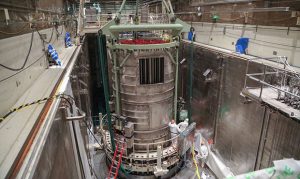 Here's an exclusive look at Tonopah's Palo Verde Generating Station
 Judge in case brought by Arizona, 11 other states temporarily blocks Paramount-Warner merger
 Boeing plans Mesa military manufacturing campus expansion
 Huge industrial park planned on Salt River Pima-Maricopa Indian Community land
 New owners of Club West Golf Course shop the site; D.R. Horton eyes 162-acre parcel

Comments