
Arizona joins federal lawsuit against the U.S. Department of Education over student loan limits
Arizona joined 25 other states in a lawsuit challenging a new federal rule that caps student loans for graduate students in key health care fields.

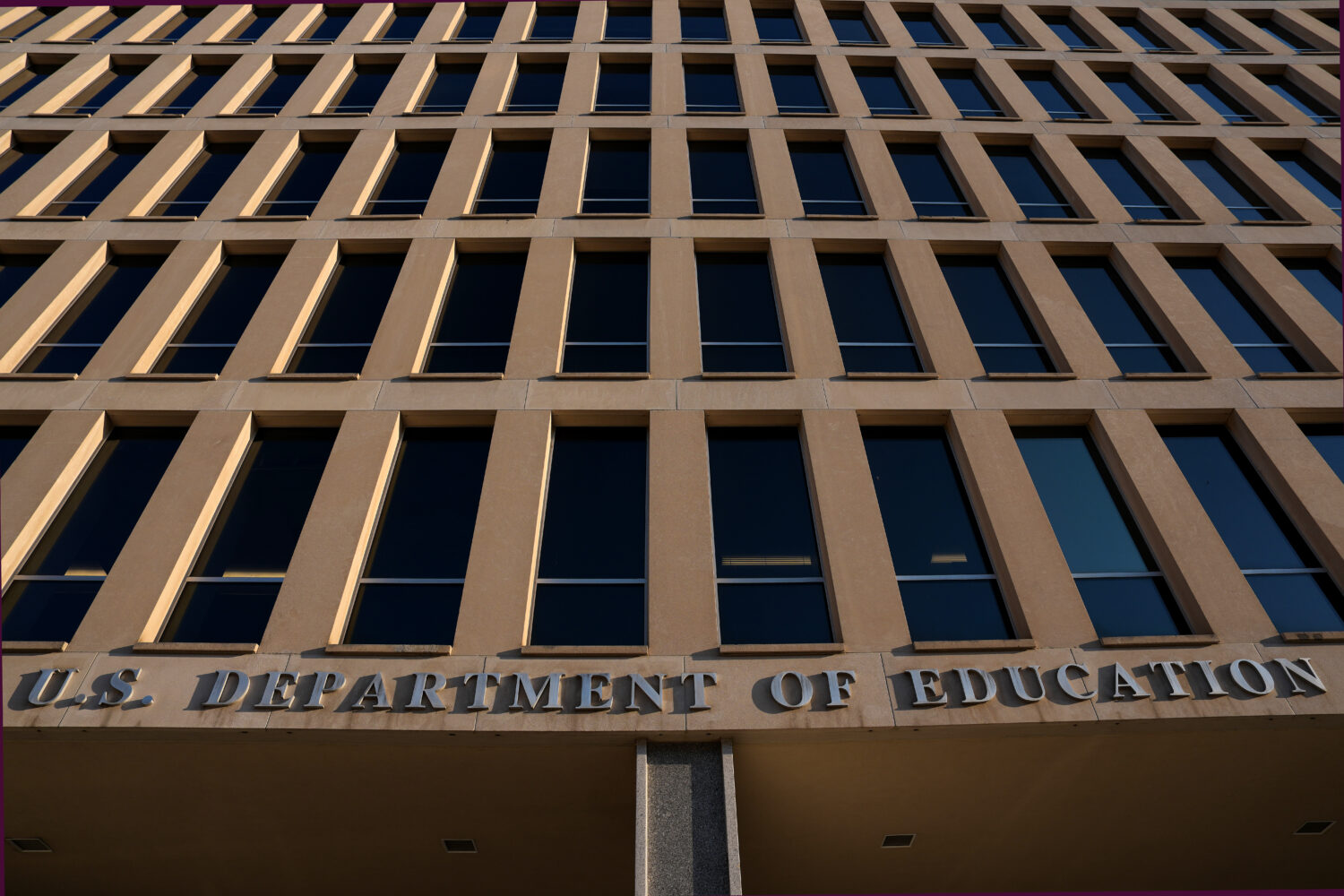
The U.S. Department of Education, seen here on March 20, 2025, in Washington, D.C., is the target of a multistate lawsuit challenging new student loan rules. (Photo by Win McNamee/Getty Images)
(Photo by Win McNamee/Getty Images)
Arizona is one of 26 states and jurisdictions suing the U.S. Department of Education over a rule that limits student loans for graduate students in multiple health care fields.
The Trump administration’s Department of Education finalized the rule May 1, implementing loan caps set by Congress in the One Big Beautiful Bill Act passed in July 2025. The caps limit graduate students to $20,500 annually and professional students to $50,000 annually.
The new rules also changed the language surrounding what is considered a “graduate” or “professional” program, placing more restrictions on professional programs.
The new guidelines require a professional program to be related to 11 core topics including pharmacy, medicine and dentistry, as well as generally being a doctorate degree.
The restrictions are set to begin on July 1.
Why is the Arizona Attorney General suing over the new rules?
The lawsuit claims the new restrictions leave out students who may have previously been considered professional students, limiting the financial aid they can receive.
“Defendants’ rule unlawfully adds criteria to that straightforward statutory definition and limits professional degrees to the illustrative list,” read the complaint.
The additional requirements would make it harder for Arizona students to enter the workforce, argues Arizona Attorney General Kris Mayes.
“Arizona is already facing a serious healthcare workforce shortage, particularly in rural communities,” Mayes said in a press release. “This unlawful rule would make that crisis worse by putting professional degree programs out of financial reach for Arizona students who are working hard to fill those gaps.”
This is Mayes’ 42nd lawsuit against the Trump administration.
Funding for this journalism is made possible by the Arizona Local News Foundation.
Related
 AG Kris Mayes says state is 'close' to filing suit over Trump mail-in voting executive order
 Kris Mayes leads new lawsuit challenging RFK Jr.'s changes to childhood vaccine policies
 ASU hockey report details Matthew Mayich’s collapse, assigns no blame
 What’s on your ballot? Prop 318 would restrict transgender athletes in Arizona schools
 School board protest halts business in Phoenix district
 Apache Junction offers a la carte public school classes for ESA families

Comments
5 Comments
Keep up the good work Kris!
The Republicans long term plan to destroy Public Education has come to fruition.
Destroy Privatize Enrich the private sector.
Sad.
I'm surprised by the relative lack of MAGA comments here. They usually gather to condemn Mayes for suing The Idiot, and I refuse to believe that's because they understand the benefits to Arizona of suing to ensure adequate funding for professional degree programs.