
Valley woman who lost mother to suicide urges open conversations
Molly Johnston lost her mother to suicide when she was 10 years old. She wishes she would have had more conversations about it when she was younger.

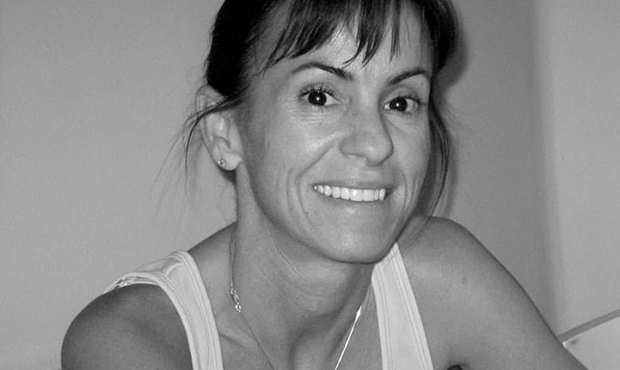
Jane Johnston (Molly Johnston Photo)
(Molly Johnston Photo)
PHOENIX — A spring day 12 years ago forever changed the life of Molly Johnston.
On April 8, 2007, Johnston’s mother took her own life. Johnston was 10 years old.
“It never really occurred to me before then that someone would choose to take their own life,” said the now-23-year-old Johnston.
Like her mother, Johnston grew up in the Valley.
Despite the seemingly close-knit community, there were few conversations that included her in regards to suicide.
“No one was ever really talking about how she died,” Johnston remembered.
Johnston’s experience was not uncommon following a loss, particularly in when it comes to suicide.
Dr. Melissa Estavillo, a Phoenix-based clinical psychologist, said surviving parents and adults tend to struggle explaining suicide to children.
Estavillo said it’s important to initiate these conversations for children who have lost parents or loved ones to suicide in order to avoid stigmatizing the topic.
“My biggest, first suggestion is to not shy away,” Estavillo said. “I think that specifically when it comes to suicide, but in general with grief, I think it’s one of those places where people don’t know how to tackle that topic so they tend to just end up avoiding a lot of it.”
Which Johnston said is what she felt she really needed after losing her mom.
“I would have appreciated there being some sort of discussion, because I think it did have a negative impact on the rest of my adolescence, feeling like it wasn’t something I was able to be open with people about,” she said.
Estavillo said that although it may be difficult, those kinds of conversations don’t just happen at one time. They start small, which opens the door for more questions and conversations later.
“I think when we hold bits of information back from [kids] it intrinsically implies that it’s too heavy, too big, too negative to talk about,” she said. “I think being able to find that age appropriate language where we’re able to bit by bit answer that person’s question is important.”
Estavillo said these conversations can start as simply as saying, “this person was sad. We were concerned that this person was sad and unfortunately, it’s led to this person not being here anymore.”
She added that whether a child is grieving or experiencing depression, it is important to remind them they are not alone.
Johnston has learned from her own experience and worked to teach others the importance of talking about mental health.
“I mean at the heart of suicide, is mental health. I think that people are becoming more aware of how important mental health is but it needs to be prioritized,” she said.
Editor’s note: If you or anyone you know is struggling with suicidal thoughts, call Teen Lifeline at 800-248-8336 or the National Suicide Prevention Hotline 24/7 at 800-273-8255.
[newsletter][/newsletter]
Related
 Arizona's teen suicide rate up 25% in past 3 years, report finds
 Here's one step you can take to prevent teen suicide
 Arizona advocate pushes schools to put suicide hotline on ID cards
 Pedestrians hit by vehicle in west Phoenix, leaving 1 dead and 1 injured
 Schnepf Farms adds new attractions for Pumpkin & Chili Party
 376-unit apartment complex proposed near IKEA in south Tempe

Comments
0 Comments