
Driving tips for Arizonans to keep in mind during monsoon season
With monsoon season just around the corner, officials are sharing ways for Valley drivers to keep safe when disruptive storms hit.

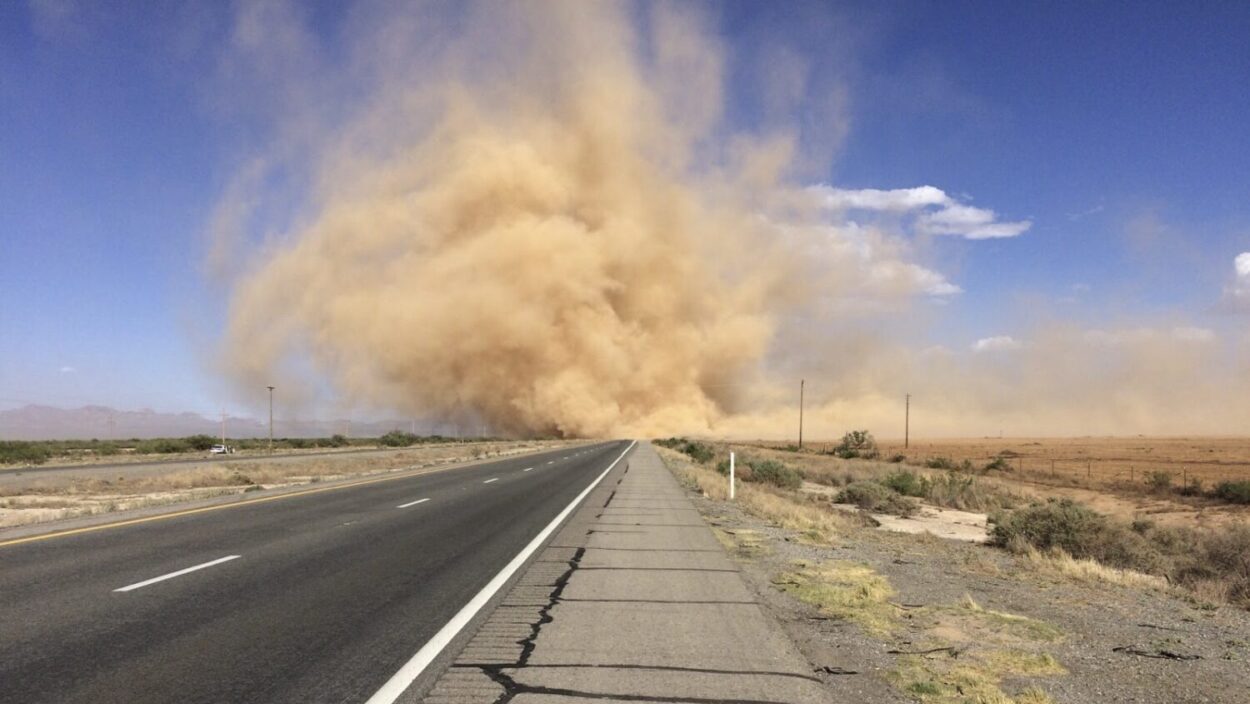
Monsoon season is just around the corner and transportation, safety and weather officials have shared ways for drivers to keep safe on the roads. (Photo via Arizona Department of Transportation)
(Photo via Arizona Department of Transportation)
PHOENIX — Monsoon season is just around the corner and transportation, safety and weather officials have shared ways for drivers to keep themselves safe while on the roads.
Monsoon season in Arizona officially starts June 15 and runs through Sept. 30, and with it comes extreme weather that can range from heavy rain to dust storms.
The Arizona Department of Transportation (ADOT) partnered with the Arizona Department of Health Service, Arizona Department of Environmental Quality, the Arizona Department of Emergency and Military Affairs and the National Weather Service to compile tips for drivers when the hazardous weather hits.
What are the tips for drivers during monsoon season?
During monsoon season, heavy rain, thunderstorms and flash floods can hit suddenly but that doesn’t mean they have to catch drivers off guard.
ADOT told drivers to expect the unexpected when driving in the rain and leave plenty of extra braking room.
Motorists who come across a flooded wash should not cross it, even if it doesn’t look that deep.
ADOT also reminded residents not to drive around “road closed” signs.
Arizonans who are planning a road trip during the summer months should pack an emergency kit with essential items such as:
- Extra water
- Healthy snacks
- Sun protection
- An umbrella (for sun or rain)
- Prescription medication
- Flashlight
- Fully charged cell phone.
What should motorists do when a dust storm hits?
Dust storms are another safety risk for drivers during monsoon season as they can quickly reduce motorists’ visibility on freeways.
Never drive into a dust storm, ADOT said. It’s best to exit the highway as safely as possible.
Motorists who are unable to exit before the storm hits should follow the Pull Aside, Stay Alive safety tips.
First, check the traffic around you and start slowing down
Then, safely pull off the paved portion of the roadway. Do not stop in travel lanes or on the shoulder.
After that, put the emergency break on, turn off all vehicle lights, including your emergency flashers and take your foot off the brake. This will prevent the lights from your vehicle from acting as guide to any vehicles behind you, possibly leading them to crash into you parked car.
Finally, keep your seatbelt fastened and wait until the dust storm ends.
Related
 Here's how to stay safe if a power line falls on your car during Arizona's monsoon season
 Storms to continue in Valley with winds causing ground stop, delays at Phoenix Sky Harbor
 New midtown Phoenix restaurant combines barbecue and seafood
 2-year-old boy dies after being pulled from pool at Phoenix home
 SAFE Alert issued for missing 73-year-old man last seen in Glendale
 Suspect outstanding after Phoenix shooting that left man seriously injured

Comments
0 Comments