
Arizona Sen. Kelly urges using National Guard to relieve COVID burden on hospitals
Arizona Sen. Mark Kelly is hoping to see the state's National Guard activated to help alleviate stress on hospitals created by the surge of the omicron variant of COVID-19.

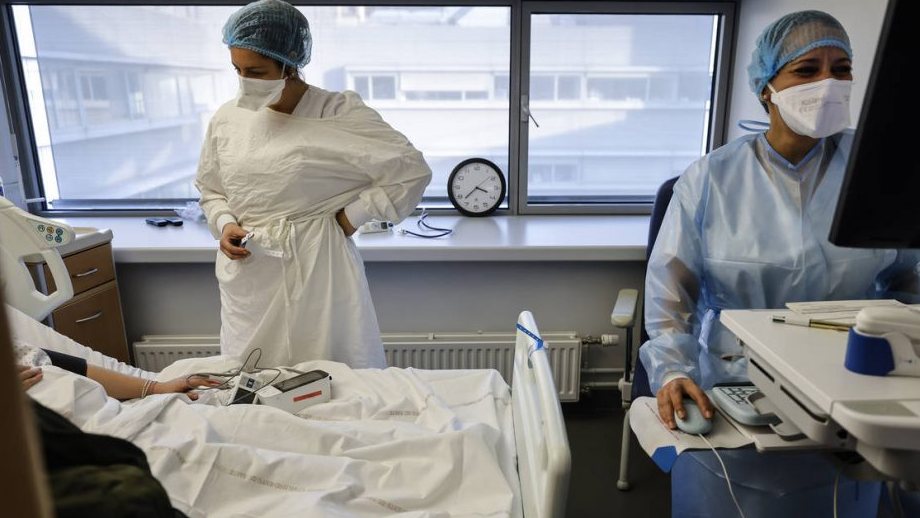
(AP Photo/Jean-Francois Badias)
(AP Photo/Jean-Francois Badias)
PHOENIX – Arizona Sen. Mark Kelly is hoping to see the state’s National Guard activated to help alleviate stress on hospitals created by the surge of the omicron variant of COVID-19.
Kelly and senior Sen. Kyrsten Sinema wrote Gov. Doug Ducey on Monday making the request to deploy the Guard per recent authorization from the Federal Emergency Management Agency.
“The offer is place until April. … He’ll have to make a decision on it, but it’s 100% reimbursable from the federal government,” Kelly told KTAR News 92.3 FM’s Arizona’s Morning News on Wednesday.
“As a state, we should take advantage of it.”
The letter reads: “Hospital systems, health care facilities, and those caring for Arizona’s most vulnerable populations are suffering from severe staffing shortages. This endangers their ability to care for Arizonans, worsening people’s health outcomes, increasing costs, and putting lives and livelihoods at risk.”
As hospitals in Arizona and across the country grapple with staffing shortages as the pandemic continues, FEMA announced Jan. 14 that National Guard resources would be available to lighten the load by performing such tasks as security, transportation, food delivery and other health care wraparound services.
“It’s costing [Arizona hospitals] a ridiculous amount of money – traveling nurses are very, very expensive, staff members are just overwhelmed,” Kelly said of pandemic care. “This is a step where we can get help.”
Arizona reported fewer than 10,000 new cases of COVID-19 for the second straight day Wednesday with 8,329. And while the number of hospital inpatients with the virus and the percent positivity for diagnostic testing have also been trending downward, COVID ICU cases and deaths remain at or near the high marks of the omicron wave.
Related
 Democratic Sen. Mark Kelly of Arizona crushing Republican field in fundraising
 Poll gives noncandidate Ducey the lead in Arizona GOP Senate race
 Number of new Arizona COVID cases plummeting after peaking a week agoCOVID inpatient numbers at Arizona hospitals showing sustained decline
 Mesa police officers shoot, kill man who tried to flee during traffic stop
 SAFE Alert issued for 68-year-old man last seen in Glendale

Comments
0 Comments