
Aging in place: Create a safer, more comfortable living room
From clear pathways to supportive seating, thoughtful changes can help you enjoy your living room as your needs evolve. Learn which updates to consider and when to seek professional guidance.

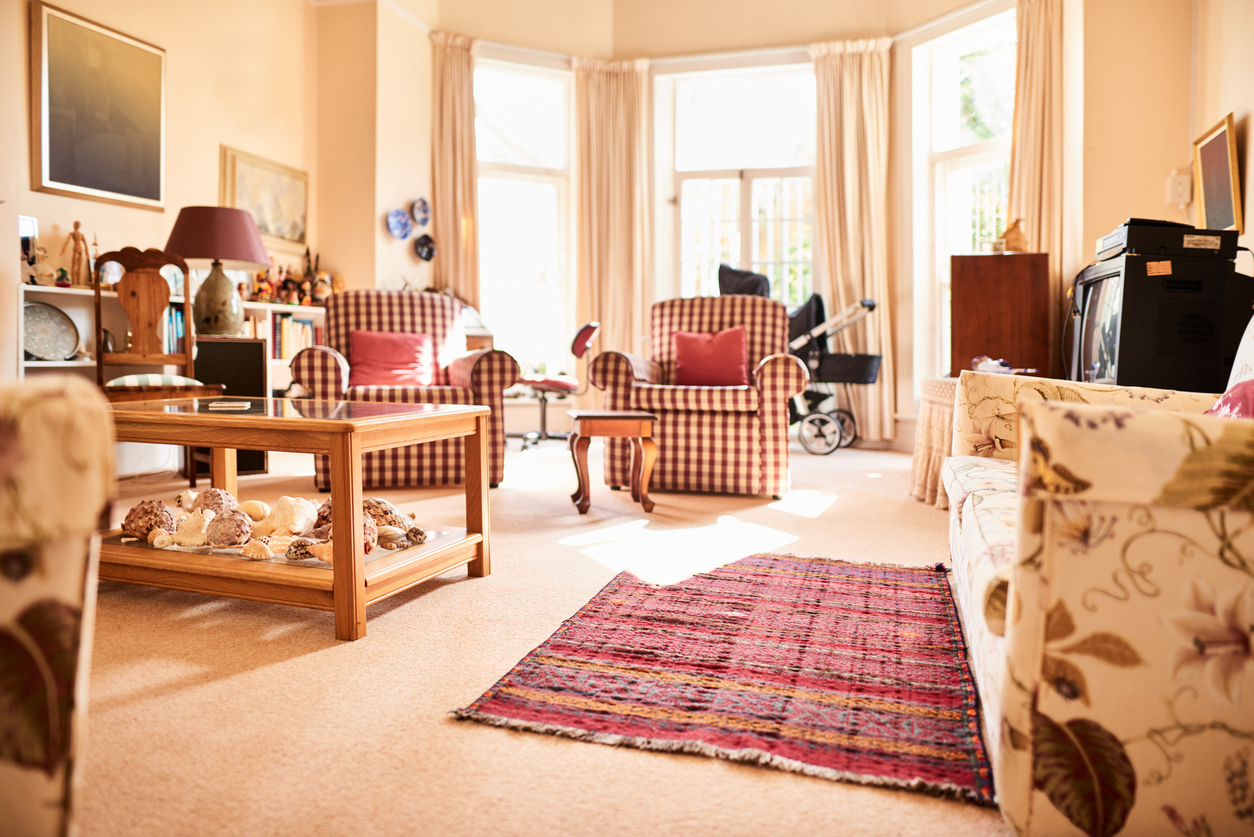
Clear pathways, sturdy furniture and well-placed lighting can help make a living room safer for aging in place. (Photo via iStock.)
(Photo via iStock.)
Part of aging in place is having a home that is safe, comfortable and usable in every room.
We often talk about the kitchen and the bathroom, but another room that deserves a look is the living or family room. Research shows that most of us spend about half of our waking hours there.
First, observe how you use the room. Do you spend your time watching TV, playing video games, searching on the computer, visiting with others or crafting?
Think about what you would like to be able to do in that space and what you will need to get it done. The goal is to make the changes you need while keeping the room inviting.
Safe passage comes first
Are you aware of the dreaded T word?
That word is tripping, and tripping leads to falling. The statistics on falls and the injuries that follow are dire. Professionals who work with older adults agree on one thing: do everything possible to prevent trips and falls. Many of the suggestions below support safe movement.
Layout
An open layout is ideal. Leave room to maneuver easily with a walker, cane or wheelchair. Keep clutter from building up and make pathways as direct as possible.
Flooring
- Avoid loose rugs. Use nonslip rugs if rugs are needed.
- Choose low-pile carpet and area rugs rather than long, plush or shag styles.
- Use different shades or contrasting colors where flooring changes so transitions are easy to see.
- Fill in sunken living rooms. The feature has gone in and out of style, but it is a definite trip hazard for aging in place.
Lighting
- Make sure windows and window coverings work properly to let the sunshine in.
- Keep light fixtures working and replace burned-out bulbs.
- Light every area of the room, and place lamps to avoid casting shadows.
- Combine task lighting with overhead lighting.
- Add motion-sensor lights for nighttime navigation.
Electrical outlets
- Install enough outlets that extension cords are not necessary.
- Consider floor outlets for lamps near a sofa placed in the middle of the room.
- Outlets installed 15 to 24 inches off the floor, instead of the typical 12 inches, are much easier to reach and are recommended under ADA guidelines.
- Don’t overload extension cords.
Furniture
- Choose sturdy furniture that fits your size.
- Look for features that make life easier. Chairs can come with lift assistance, lumbar support, wide padded seats, nonslip feet, sturdy frames and even massage or heat for arthritis relief.
- Use a couch caddy or basket to keep essentials close by and out of the cushions or from under the couch.
Entertainment
Not everyone hears at the same volume, and a movie or music that is too loud can be uncomfortable and disruptive. If you spend a lot of time with the TV on and hearing is an issue, consider:
- A captioned telephone, such as ClearCaptions.
- The closed-caption feature on your TV.
- Bluetooth headphones. Many styles are available, so look for a set with a money-back guarantee.
Tech solutions
Technology can feel overwhelming, but those who are open to it have plenty of choices to make life easier and safer. Make sure you understand what a product can and cannot do, find out what support is available and learn one new product at a time.
Tech for ease:
- Motion-activated lighting
- Video doorbells
- Smart thermostats
Tech for safety:
- Fall-detection wearables
- Stove shut-off sensors
- Medication reminders
- Wander alerts for people with dementia
- Voice assistants for hands-free calls
- GPS location devices
Helpful products:
- Anti-slip pads for tabletops or TV trays
- Reachers and grabbers
- Couch caddies
Professionals can help
Not everyone needs everything listed above. A professional is a good place to start. They can pinpoint what you need and save you time and money in the long run.
- Occupational therapist (OT): A health care professional who evaluates people with injuries, illnesses, disabilities or cognitive challenges and helps them perform everyday activities.
- Physical therapist (PT): A good PT can identify your physical challenges and help you build strength, so falls are less likely.
- Certified Aging-in-Place Specialist (CAPS): A CAPS professional can evaluate your home and recommend ways to adapt it to your needs.
Tip- PT and OT services are often covered by insurance when prescribed by a doctor. Check with your insurance provider to see what services are available to you.
This list isn’t all-inclusive, but it can open your eyes to changes that will help you create a comfortable, enjoyable living room as you age. Learn more at rosieonthehouse.com.
Sign up for our weekly email newsletter to stay up to date with weekly topics, pertinent YouTube videos and more. Sign up at info@rosieonthehouse.com
Related
 How to choose the best spot for your trees
 What homeowners need to know about artificial turf installation and maintenance in Arizona
 What’s beneath your feet? A crash course in carpet
 Arizona HVAC rebates expand homeowners’ options
 Better water starts with knowing all the information
 Good flooring starts below the surface
Comments
1 Comments
Get rid of small pets that can cause tripping hazards and broken hips.