
Smithsonian history museum chief rejects White House criticism of its leaders as radical activists
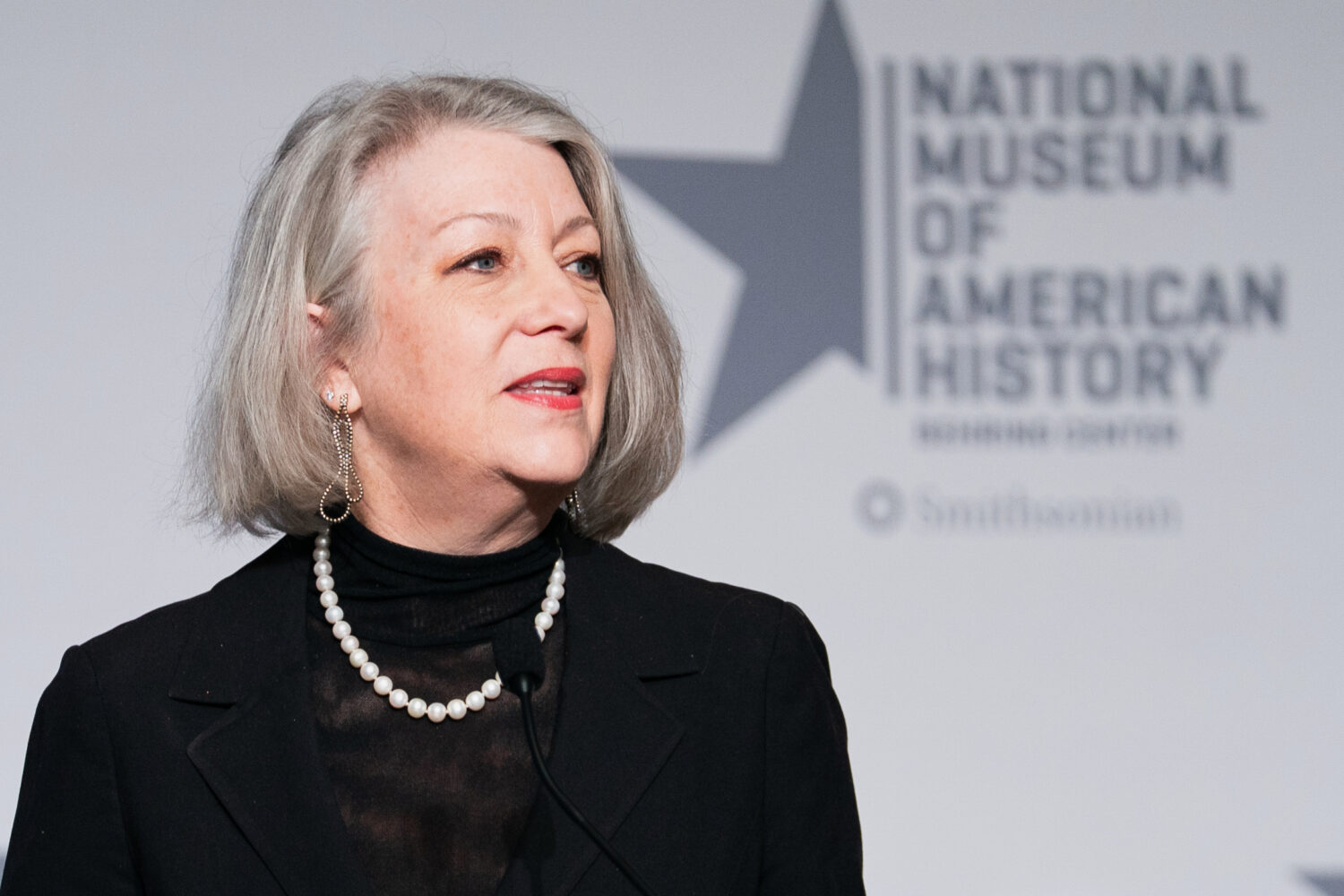
FILE - Anthea Hartig, of the National Museum of American History, speaks at an event, Feb. 20, 2026, in Washington. (AP Photo/Allison Robbert, File)
Credit: AP Photo/Allison Robbert
(AP Photo/Allison Robbert, File)
WASHINGTON (AP) — The director of the Smithsonian’s National Museum of American History pushed back on Tuesday against a recent White House report that branded the institution’s leadership as radical activists who cannot be trusted.
“As we continue to fact check the report, we unwaveringly attest that it does not fairly or accurately characterize the full body of work at the museum,” director Anthea M. Hartig told a House Oversight subcommittee. “There is always room for improvement. But I also know the beauty and the inspiration and the expertise that lies in our collections, our exhibits, and our programming.”
Coinciding with the 250th anniversary of American independence, the White House Domestic Policy Council released a report on July Fourth arguing that the museum, a centerpiece of the sprawling Smithsonian complex on the National Mall, doesn’t tell history “in a way that is inspiring, unifying, and worthy of our great republic.” The report reflects a broader effort by President Donald Trump and his supporters to use the power of the federal government to reshape the way the nation’s history is told, often de-emphasizing the role of slavery and racism along with stories about LGBTQ and other marginalized communities.
Republicans on the panel reiterated some of those concerns on Tuesday.
“In the museum’s current telling, history is just an ongoing power struggle between oppressors and the oppressed,” said Rep. Tim Burchett, R-Tenn. “The report makes clear that the museum’s woke exhibits and materials reflect a broader vision held by the museum leadership.”
Hartig, the first woman to serve as director of the National Museum of American History, said the institution “does not take sides in America’s political debates.” She described the museum’s presentation of the nation’s story as an evolution intended to add voices, not erase history as detractors sometimes argue.
“When historians talk about reframing a traditional narrative, we don’t mean erasing it,” she said. “We mean adding the evidence, the voices, the objects, that earlier tellings left out, so that more Americans can see themselves reflected in the national story.”
Related
 The Gates Foundation met with Epstein about 30 times despite staff concerns, an external review says
 Live updates for Arizona’s 2026 midterm primaries: Latest voter numbers
 Election changes could lead to quicker results in Maricopa County, Adrian Fontes says
 ESPN starts layoffs tied to NFL Network acquisition, memo says
 3 defendants sentenced to years in prison in Arizona meth trafficking case
 Have progressives peaked? The next few weeks will be crucial in Democrats’ tug-of-war
Comments