
ARIZONA BORDER AND IMMIGRATION NEWS
ICE detention center would triple water use, force Surprise to speed up new well
A city water rule adopted three days before ICE bought the warehouse could require the facility to bring its own water. The draft review is open for public comment.

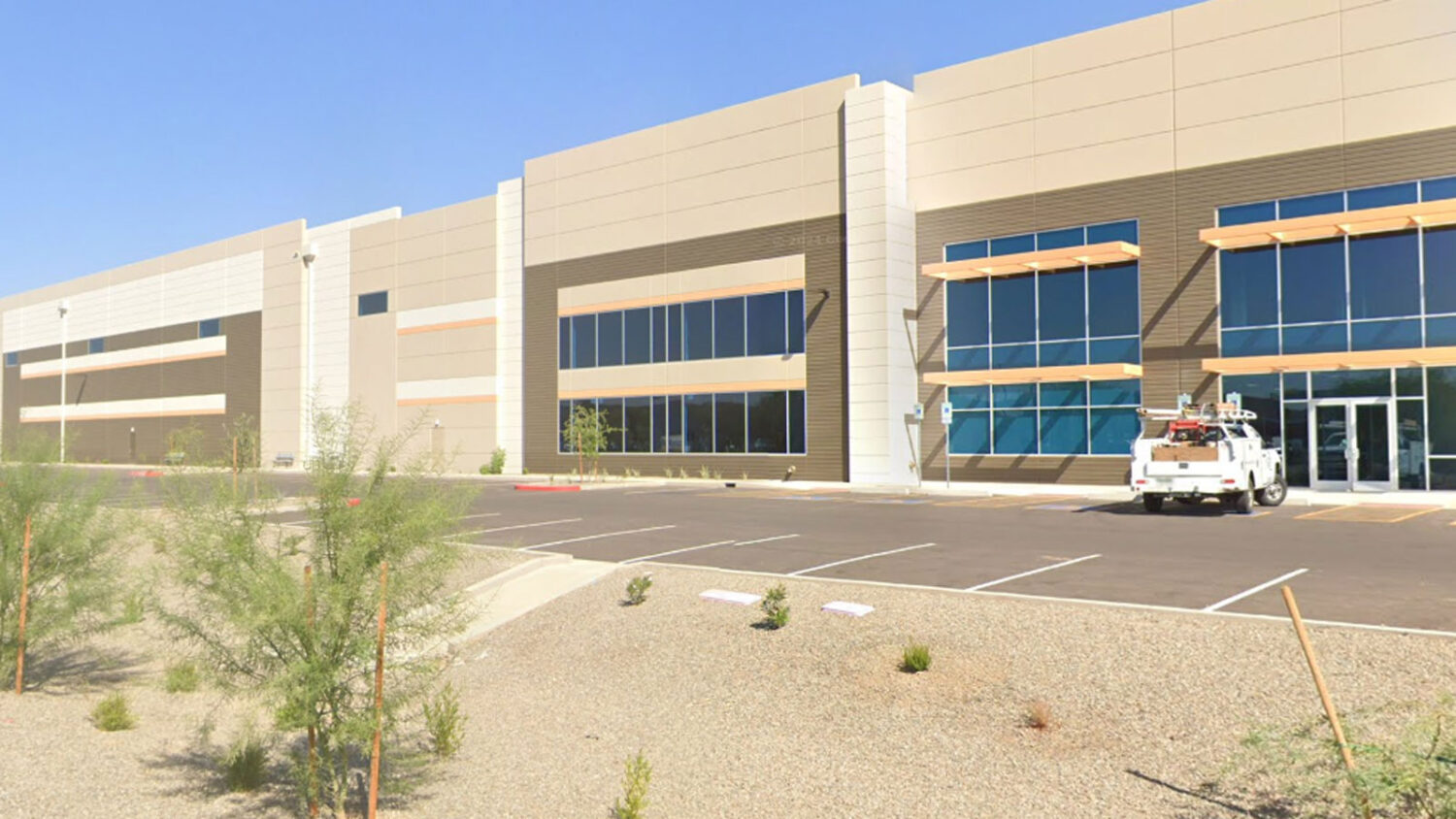
DHS is planning to convert this warehouse into a Surprise ICE facility. (Google Maps photo)
(Google Maps photo)
A proposed immigration detention center in Surprise would use about three times as much water as its warehouse was designed for, and the city would need to drill a new well years ahead of schedule to supply it, according to a federal environmental review.
The draft environmental assessment, released by the Department of Homeland Security, projects the facility would use about 190,000 gallons of water on an average day. The building was designed to use about 63,000 gallons a day.
It was just one of the findings in the several hundred-page report released Monday.
“Operation of the Proposed Action would substantially increase water demand above that anticipated for the existing industrial development,” the assessment reads.
To meet that demand, Surprise would need to build a new municipal well about five years earlier than planned and expand arsenic treatment at a city water plant, according to the report.
The facility, which is owned by ICE, would pay for the work, according to the report.
It would also fall under a city water rule the Surprise City Council adopted Jan. 20, three days before ICE bought the warehouse.
The ordinance requires businesses using more than 100,000 gallons a day to sign a 15-year water agreement, approved by the council, and to supply their own water if the city won’t. When it was adopted, no city water customer used that much, according to a city staff report from the meeting minutes.
The report says the facility would need to prove to the city they have about 490 million gallons.
The warehouse at Sweetwater Avenue and Dysart Road would hold up to 1,500 detainees and about 676 staff.
DHS agreed in a court settlement with Arizona Attorney General Kris Mayes not to convert the building until its environmental review is final.
The draft, which finds no significant environmental harm, is open for 30 days of public comment.
Related
 Democrats question $1.2 billion contract to expand Florence immigration detention facilities
 Neighboring sheriff refutes Santa Cruz County sheriff’s description of ‘peaceful’ protests
 Santa Cruz County sheriff defends decision about border wall construction protesters
 Vandals target border wall contractor Fisher Industries’ Tempe office
 Lochiel protest moves to tree in Mexico after border agents clear U.S. cottonwoods
 ICE contractor signs deal to reopen Arizona prison as immigration detention center

Comments
0 Comments