
Is leasing your tech a good idea?
The new "Apple Upgrade" program would allow early upgrades to newer models, but a lower monthly payment doesn't automatically mean a better deal.
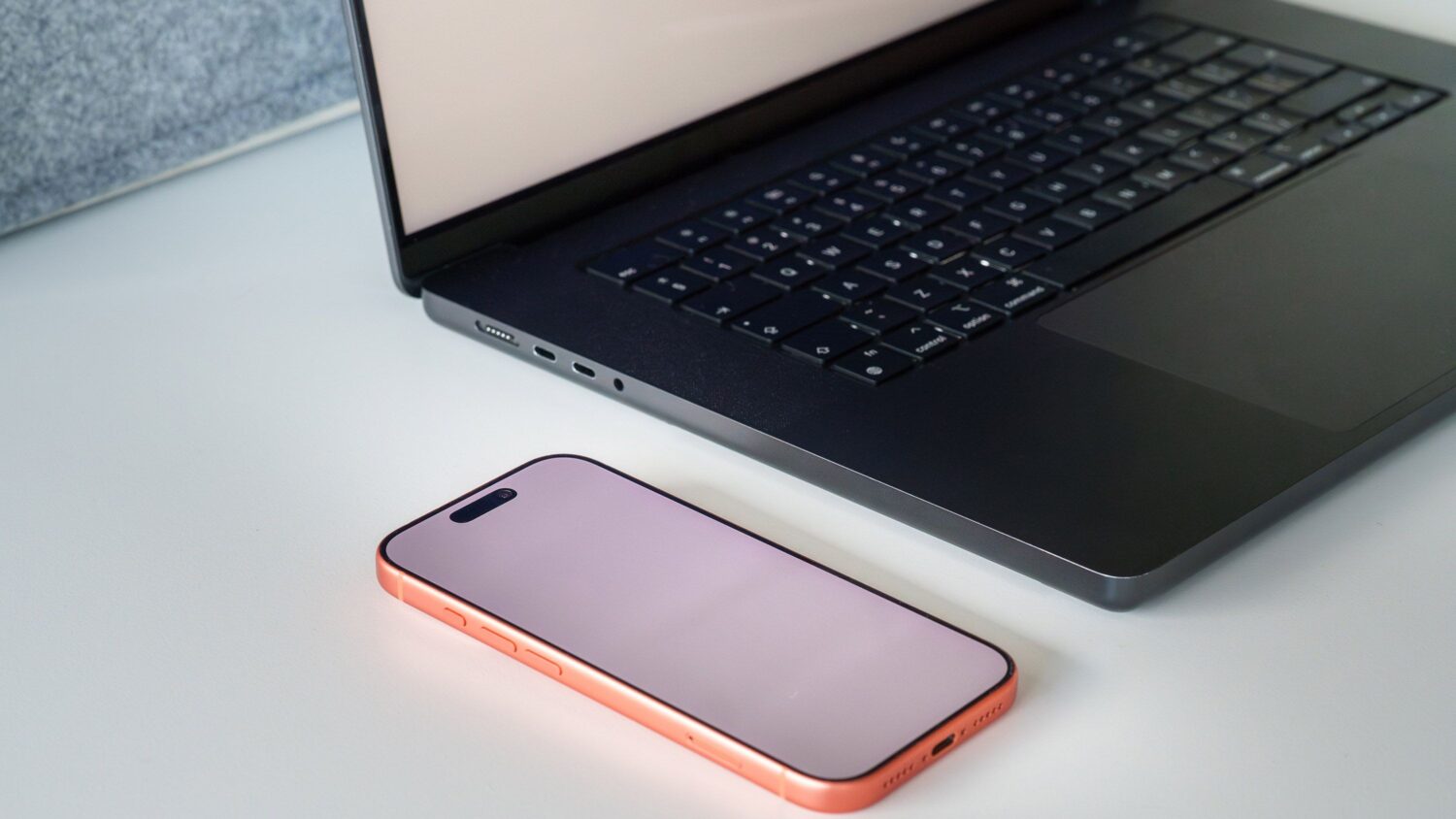
(Pexels photo)
(Pexels photo)
Q: I’ve heard Apple may offer a hardware leasing option for some of their products. What’s your take?
A: According to recent reports, Apple is preparing to launch a subscription-style hardware leasing program called “Apple Upgrade” as soon as July 28.
The reported program, in partnership with buy-now-pay-later service Klarna, would allow customers to lease select iPhones, iPads, Macs and Apple Watches for a monthly fee. It comes as global memory shortages have contributed to higher hardware prices, making smaller monthly payments potentially more attractive to consumers.
While the convenience is undeniable, it represents another significant shift toward a world where we increasingly rent, rather than own, the technology we rely on every day.
On the surface, leasing can be highly attractive. Instead of shelling out a large upfront sum for a new computer or flagship phone, you swap that hit for a predictable monthly expense. The reported program would also allow early upgrades to newer models.
But a lower monthly payment doesn’t automatically mean a better deal.
Leasing vs. Buying
The biggest difference comes down to ownership. When you buy a device outright or finance it through a traditional installment plan, you eventually own it once the payments stop.
Under the reported Apple Upgrade terms, iPhones and Apple Watches would carry 24-month commitments, while Macs and iPads would run for 36 months. At the end, you would likely return the device, pay to upgrade or make a lump-sum payment to keep it.
This can make sense for tech enthusiasts who always want the latest features and have little interest in the hassle of selling old hardware. If, however, you tend to keep your devices for several years, ownership will likely offer better long-term value.
Don’t Forget Resale Value
One number that’s easy to overlook is what your device is worth when you’re done with it.
If you buy a $1,200 phone and trade it in for $400 a few years later, your net cost was $800. With a lease, you may hand the device back and walk away with nothing for the same or more money.
When evaluating these offers, look beyond the monthly payment and calculate the total amount you’ll pay over the entire term.
The Perpetual Payment Trap
Early upgrades sound like a great benefit, but they can also create a financial treadmill.
If you buy a phone and keep it for four or five years, you eventually reach a point where the payments stop while the device keeps working. If you continually lease and upgrade, that monthly expense can become a permanent line item in your budget.
Leasing also changes your relationship with the device. Code discovered in an iOS 27 beta reportedly indicates that Apple could restrict a leased or financed device to a handful of basic apps if payments become delinquent. Whether Apple ultimately implements this feature remains to be seen, but it illustrates an important distinction between owning and leasing connected technology.
The reported lease also doesn’t automatically include AppleCare+ protection, so potential damage charges are another detail worth investigating.
Leasing isn’t inherently a bad deal, but don’t judge one by the monthly payment alone. Look at the total cost, upgrade fees, damage policies and what it will cost to eventually own the device.
The most important number isn’t what you pay each month — it’s how much you’ve spent when it’s time to give back a device you still don’t own.






Comments
0 Comments