
It’s time to keep an eye – and ear – out for rattlesnakes in Arizona
While rattlesnakes can be active any time of year in Arizona, bites from the venomous snakes tend to occur more in September than any other month.

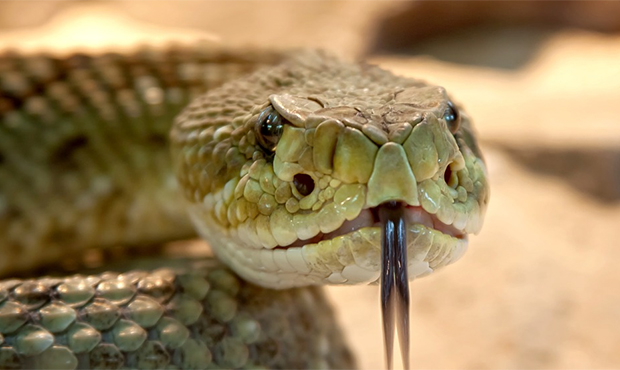
(Pexels photo)
(Pexels photo)
PHOENIX — With the summer winding down, it’s time to keep an eye – and ear – out for rattlesnakes.
While the venomous snakes can be active any time of year in Arizona, bites tend to occur more in September than any other month, according to Dr. Michelle Ruha, medical toxicologist with the University of Arizona College of Medicine and Banner University Medical Center in Phoenix.
“In September, generally, the mornings are a little cooler and the snakes are out at the same hours the people are out, so there’s more interactions,” she told KTAR News 92.3 FM this week.
“Whereas in the summer, when most people are out during the day, it’s a little too hot for the snakes, so they tend to stay out of the sun.”
To reduce the threat of a potentially deadly bite, people should wear protective footwear when hiking and be careful about where they step or put their hands.
“If you’re out on a trail, you want to keep your eyes and ears open,” Ruha said. “It’s good to listen for rattles as you’re walking, and if you see a snake to just avoid it.
“Take a few steps back, walk the other direction, or give it a wide berth.”
Ruha said rattlesnakes, the only venomous snakes that pose a threat to humans in Arizona, can be identified by their triangular-shaped heads and, of course, their rattles.
“They will usually shake the rattle as a warning to predators, or to people, to stay away,” she said. “However, sometimes you may not hear a rattle … so that’s not quite as reliable.”
If you do get bitten, seek medical help immediately. Ruha warned against trying field treatments such as applying a tourniquet, cutting into the wound or trying to suck out the venom.
“Those actions can actually be more harmful than helpful,” she said. “It’s really important to just get yourself to medical attention and not try to treat the snake bite yourself.”
KTAR News 92.3 FM’s Nailea Leon contributed to this report.
Related
 Rattlesnakes get cozy in pool noodle outside Phoenix-area home
 Phoenix-area dog goes viral after saving owner from rattlesnake bite
 What attendees should know for the USMNT vs. Mexico soccer game at State Farm Stadium
 Man, woman seriously injured in shooting at Scottsdale home
 Arizona Corporation Commission issues cease-and-desist order against stablecoin seller
 Huge chunk of north Phoenix land sells to Scottsdale developer for auto mall

Comments
0 Comments