
University of Arizona professor: Genetics could help treat heart disease
Genetics may hold the key to treating heart disease after scientists identified genetic markers that can predict if a person is likely to be diagnosed with the deadly disease.
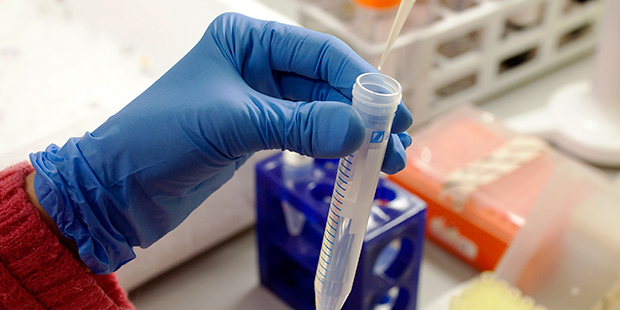
(Flickr/Vall d'Hebron Institut de Recerca)
(Flickr/Vall d'Hebron Institut de Recerca)
PHOENIX — Genetics may hold the key to treating heart disease, according to a University of Arizona professor.
Scientists have identified genetic markers that can predict if a person is likely to be diagnosed with heart disease, which is the No. 1 killer for both men and women nationwide.
University of Arizona professor Dr. Robert Roberts said since genetic markers do not change throughout a person’s life, this new discovery is — so far — the most accurate method of predicting heart disease.
While heart disease has been proven to be preventable by decreasing conventional risk factors, such as quitting smoking, about 50 percent of heart disease risk is in a person’s genes.
Scientists are developing a genetic test that can find these markers using either blood or saliva, Roberts said, adding in the next few years, they will be able to treat people without symptoms “who have genetic risks.”
“Genetic testing will tell us if you are at risk,” he said. “If you are at risk … [then] we can start treatment immediately.”
Related
 Jay Feely projected winner in CD-1; Dem race still too close to call
 Mark Lamb wins AZ-5 Republican primary, will face newcomer Elizabeth Lee
 Andy Biggs projected winner in Arizona governor primary, will face Katie Hobbs
 Maricopa County Recorder Justin Heap expects signature verification done by midday Wednesday
 Before polls close, Katie Hobbs targets Andy Biggs on primary night
 Maricopa County announces 6 new measles exposure sites in Chandler, Phoenix

Comments