
Gas has risen 28 cents per gallon in a month, per AAA
Arizona drivers are paying $1.20 more for a gallon of gas than they were a year ago.

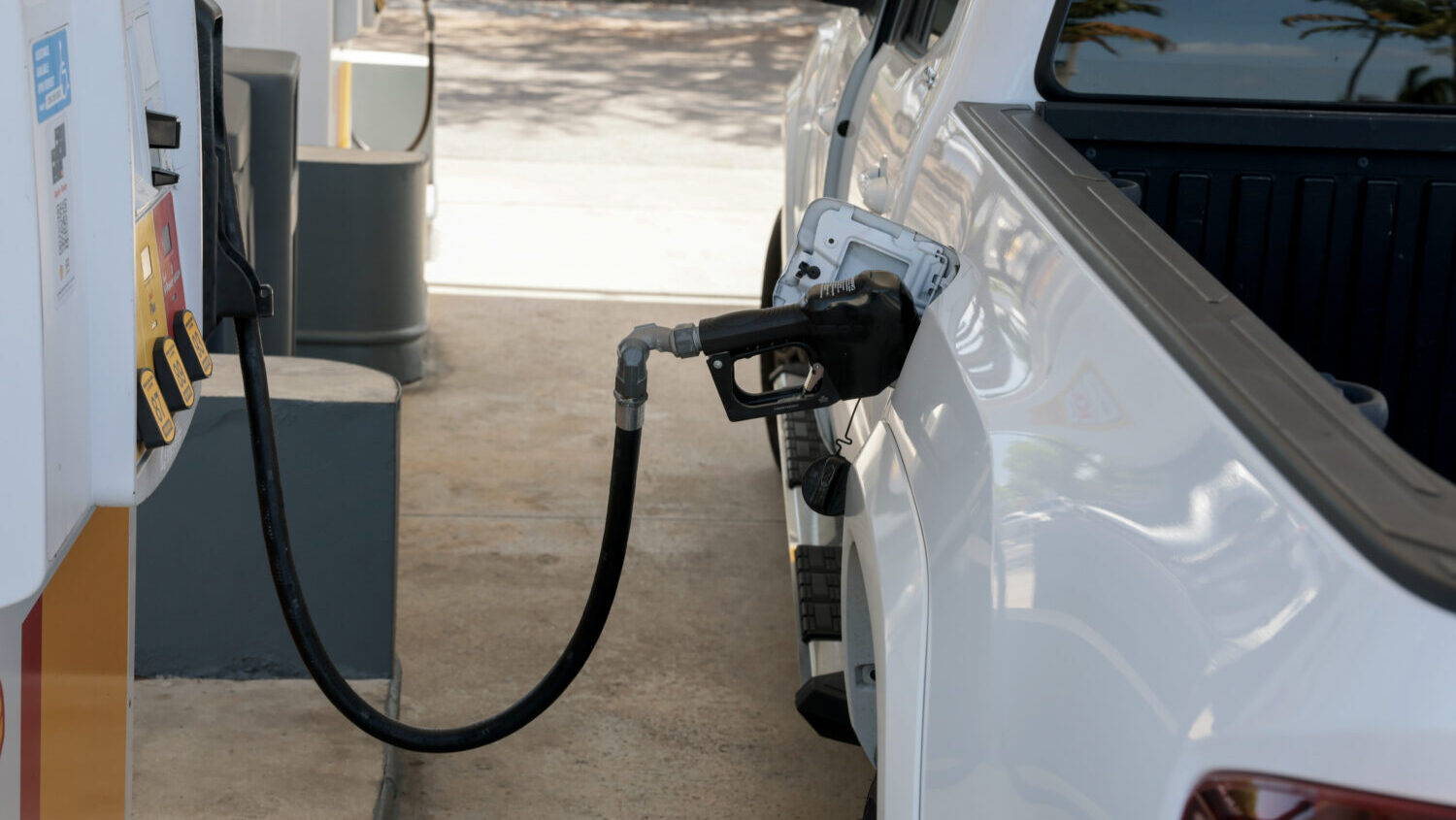
A customer fills their vehicle with fuel at a gas station. (Photo by Joe Raedle/Getty Images)
(Photo by Joe Raedle/Getty Images)
Drivers across Arizona are feeling a steeper sting at the pump this week as regular gasoline prices jumped 13 cents over the past seven days to an average of $4.78 per gallon.
The steady increase pushes Arizona’s state average up 28 cents compared to last month, and a full $1.20 higher than this time last year.
The upward trajectory in the Grand Canyon State reflects a broader national trend. Nationwide pump prices rose nearly 5 cents over the past week to hit $4.48 per gallon, marking the highest national average ever recorded for this time of year.
Crude oil market strain and overseas geopolitical tension are disrupting what is typically a season of relief for motorists.
“Typically, the start of autumn brings lower gas prices, but lingering volatility in the Strait of Hormuz and the high cost of crude oil are driving up pump prices,” David Caltabiano, spokesperson for AAA Mountain West Group, said in a release.
“This month is on track to set a new September record nationally. So far, the national average for this month is $4.30, higher than the previous September record of $3.83 set in 2023.”
Gas prices around Arizona
Prices vary significantly across the state, with metro Phoenix and northern Arizona leading the cost spikes:
Scottsdale: $4.97
Flagstaff: $4.86
Phoenix: $4.84
Yuma: $4.66
Tucson: $4.62
Arizona currently sits outside the nation’s top 10 most expensive state markets, which is led by California ($6.23), Hawaii ($5.57) and Washington ($5.54). Texas holds the lowest statewide average at $3.95 per gallon.
For drivers using public electric vehicle charging, the average cost per kilowatt hour in Arizona sits at 44 cents, placing the state among the 10 most expensive in the country. The national average for public charging held steady at 42 cents per kWh.
Crude oil markets and supply demand
The jump at the pump comes despite tightening supply metrics and rising crude oil prices.
According to data from the Energy Information Administration, domestic gasoline demand rose slightly last week from 8.79 million barrels per day to 8.84 million. At the same time, total domestic gasoline supplies fell from 207.7 million barrels to 206 million, while production dipped to 9.59 million barrels per day.
At the close of Wednesday’s formal trading session, West Texas Intermediate crude rose $1.64 to settle at $92.16 per barrel. U.S. crude oil inventories climbed by 3 million barrels to 426.4 million, remaining 2% above the five-year seasonal average.
Tips to save on fuel
AAA recommends several practical adjustments for drivers looking to stretch their mileage as costs remain high:
Watch speed limits: Fuel economy peaks around 50 mph for most standard vehicles. Driving the posted speed limit can boost fuel economy between 7% and 14%.
Stick to regular grade: Unless a vehicle explicitly requires premium gasoline, using premium over recommended regular adds cost without improving performance or fuel efficiency.
Reduce excess weight: Clear heavy items out of trunks and cargo areas, as extra weight forces the engine to work harder.
Limit idling: Engines burn up to half a gallon of fuel per hour while idling. If stopped for more than a minute and in a safe environment, turn off the engine.
Maintain tire pressure: Properly inflated tires reduce friction against the road, which can improve gas mileage by up to 0.6%.
Related
 Phoenix Art Museum receives $5M gift for Asian art expansion
 White powder envelope prompts hazmat response at Arizona Secretary of State’s office
 Arizona gets $28.4M federal grant to help crime victims
 Several brands set up shop in Arizona exclusively at Scottsdale Fashion Square
 Peoria Unified faces $650K claim over alleged sexual misconduct by Mr. ORNG
 AZ Political Podcast: Why Democrat Jonathan Nez thinks this election could be different

Comments
0 Comments