
ASU planning to expand saliva-based coronavirus testing
Given the success of its saliva-based coronavirus testing, ASU is ready to ramp up its efforts, according to ASU Biodesign Institute Executive Director Dr. Joshua LaBaer
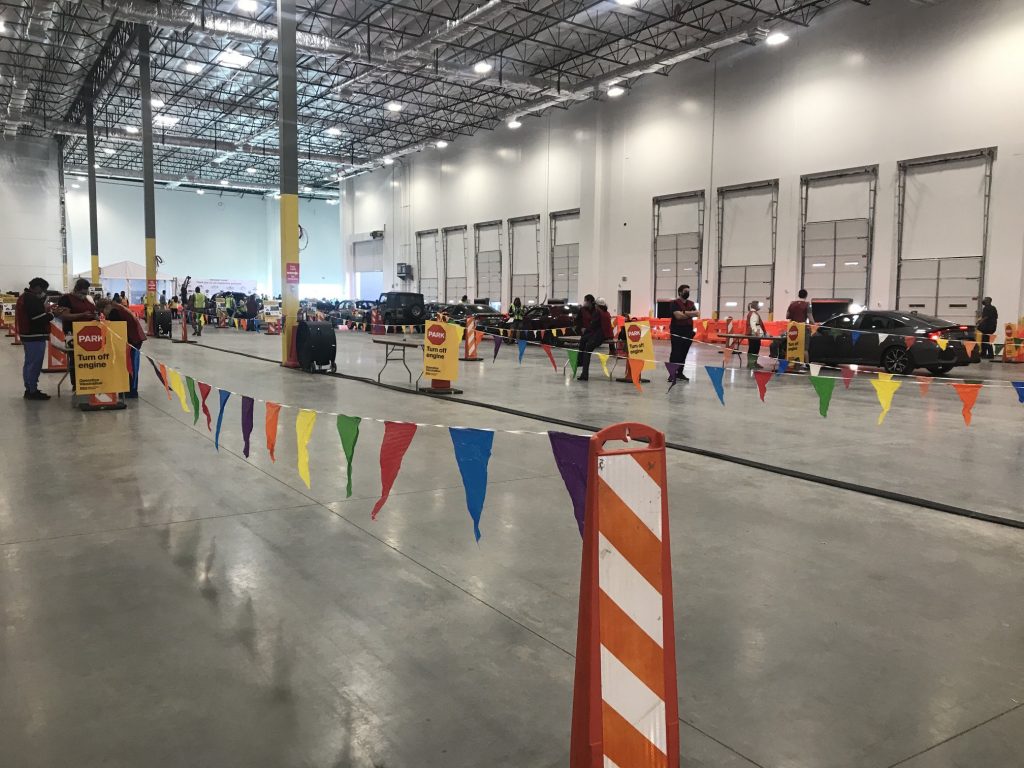
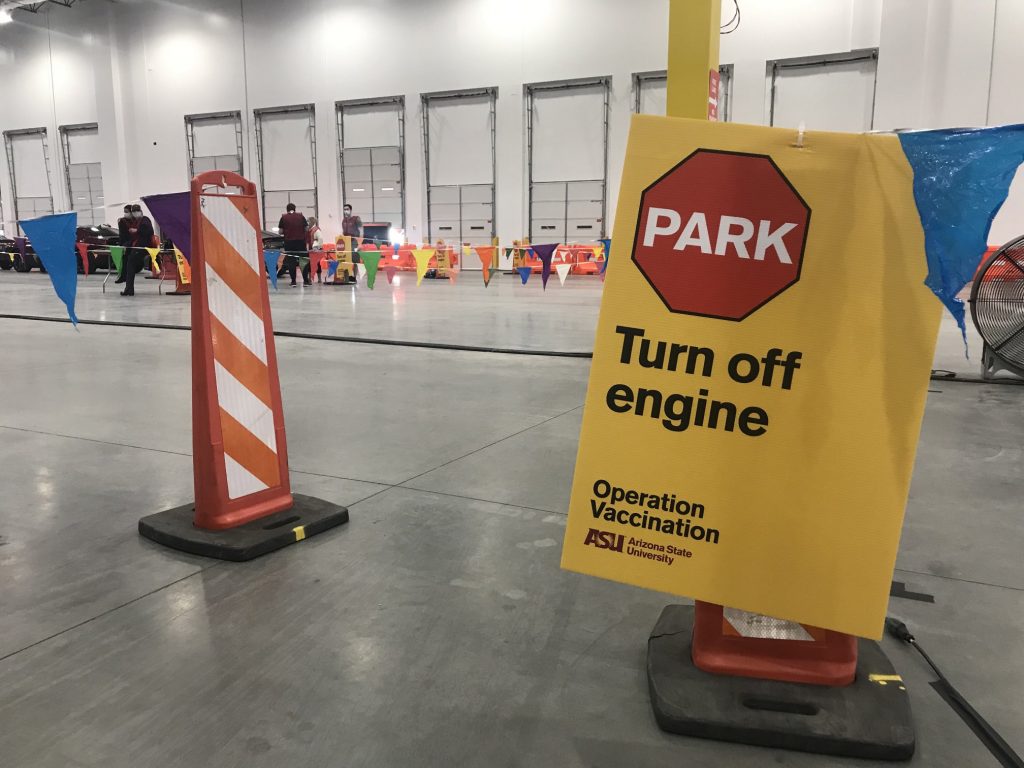
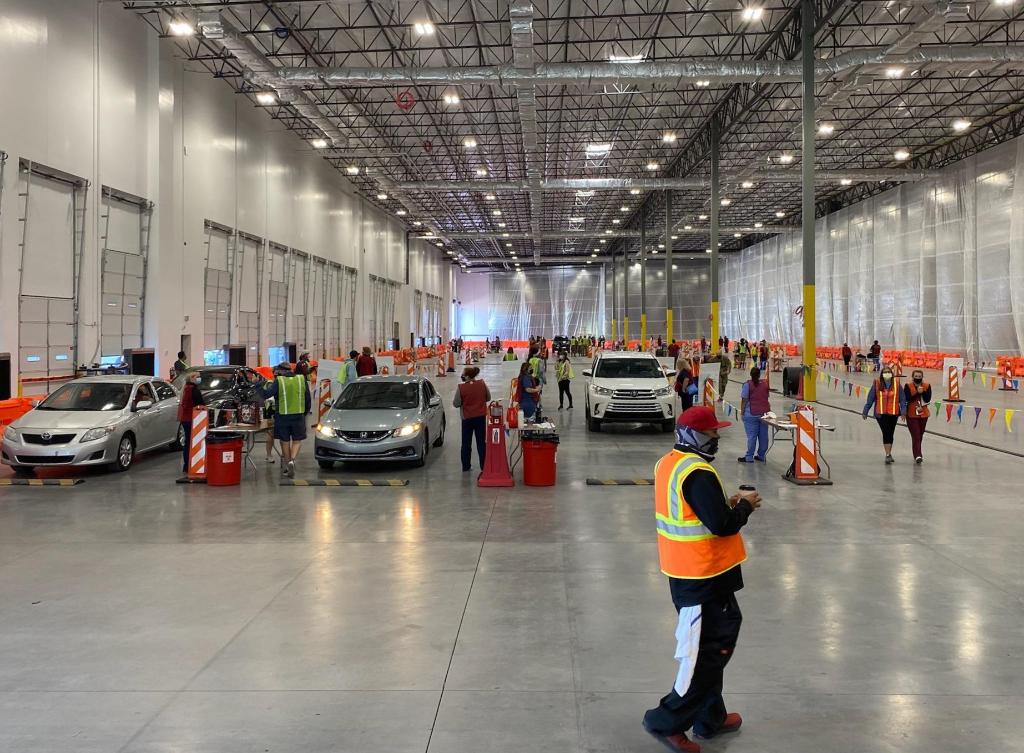

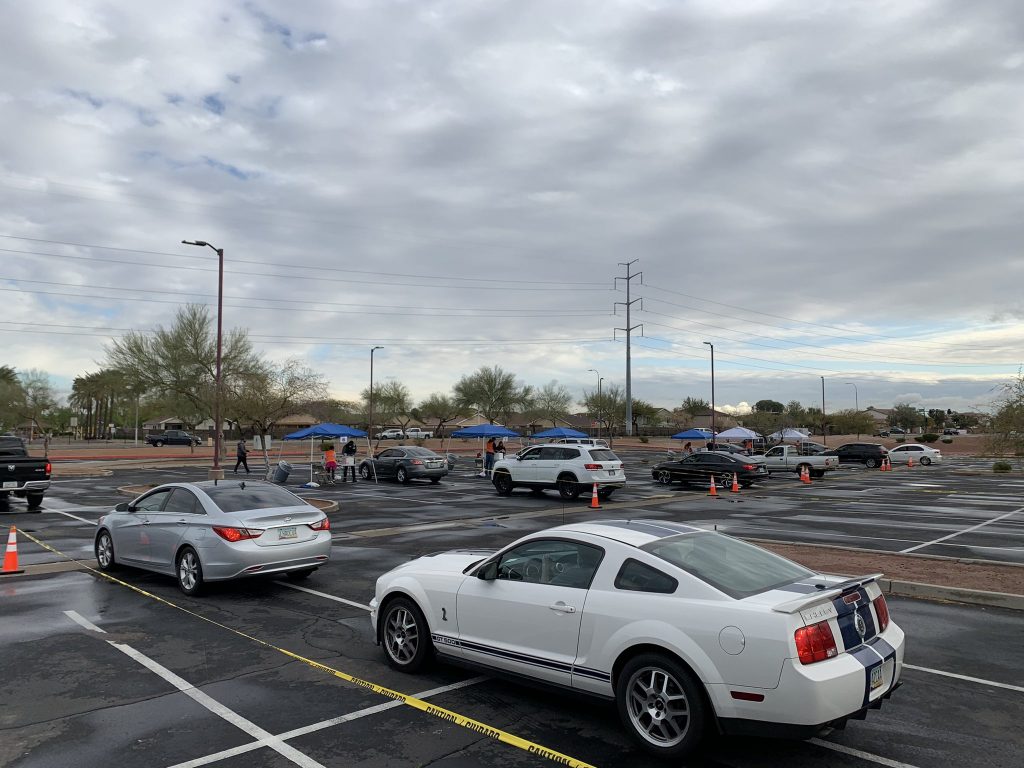



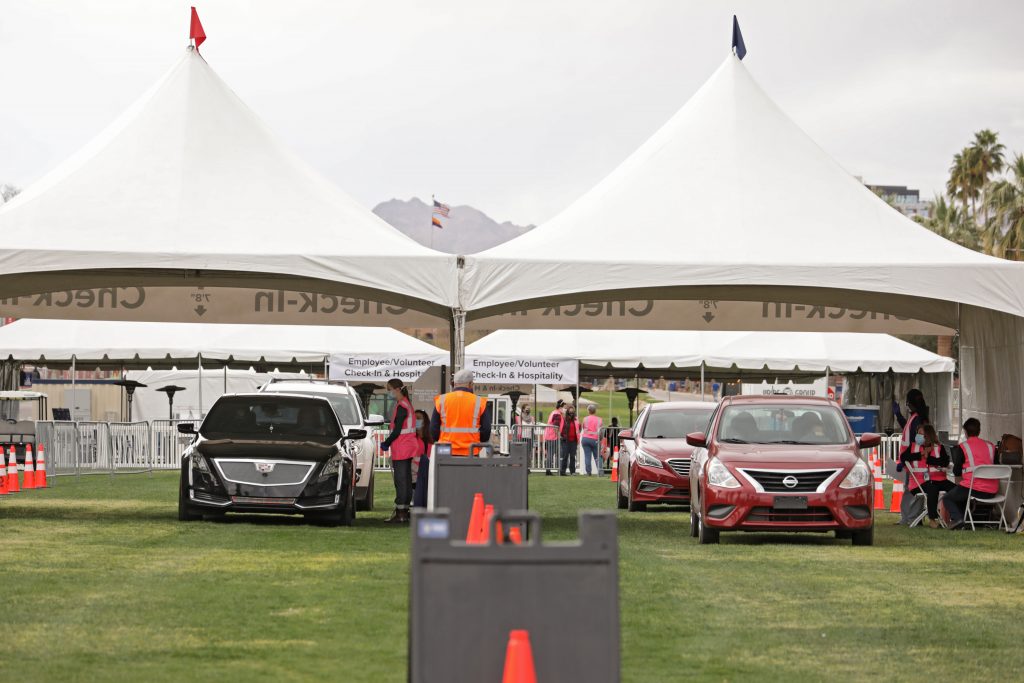
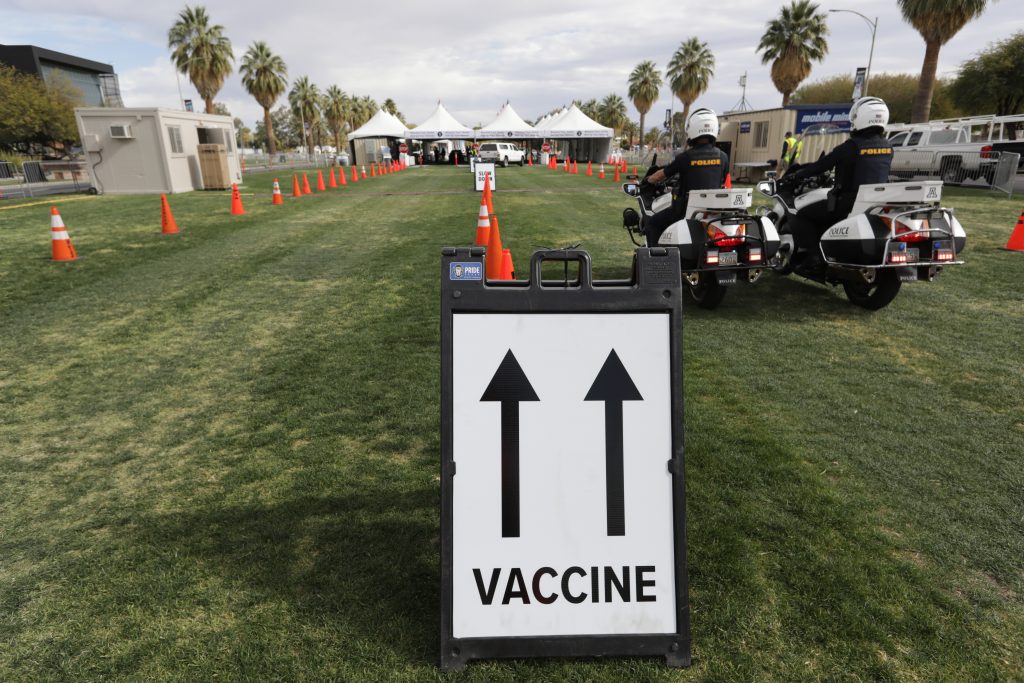
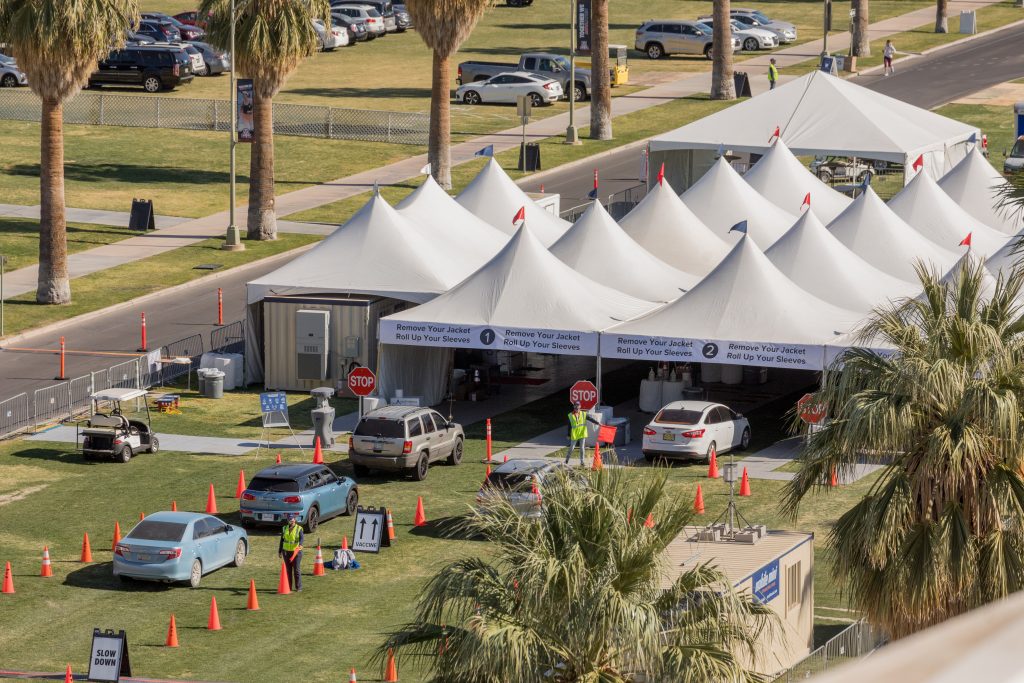

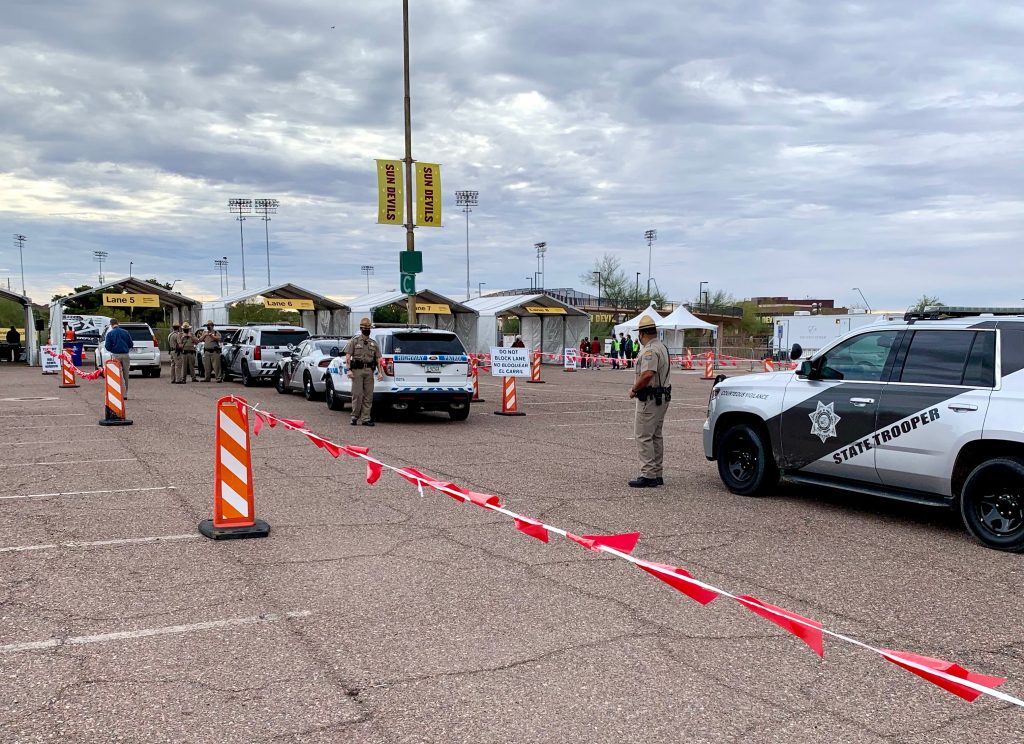
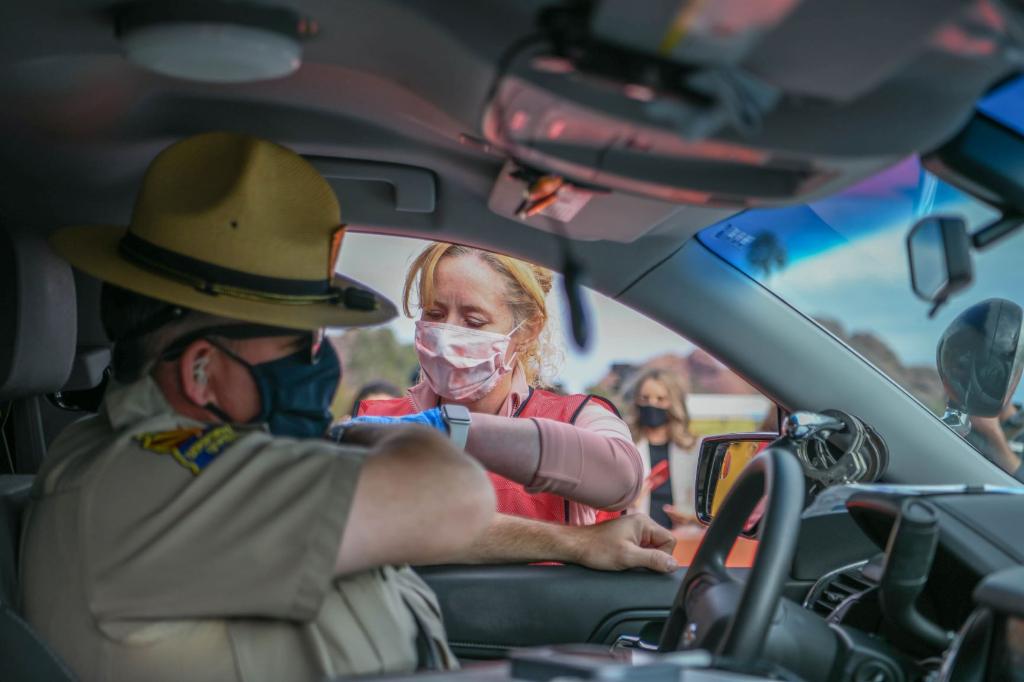
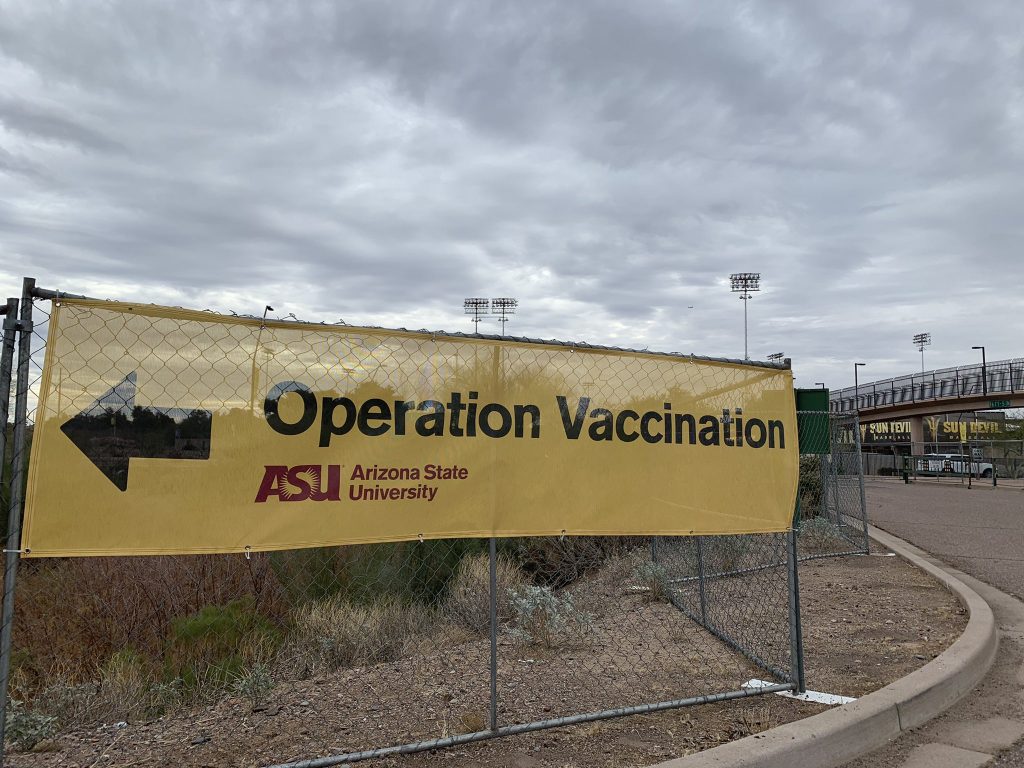
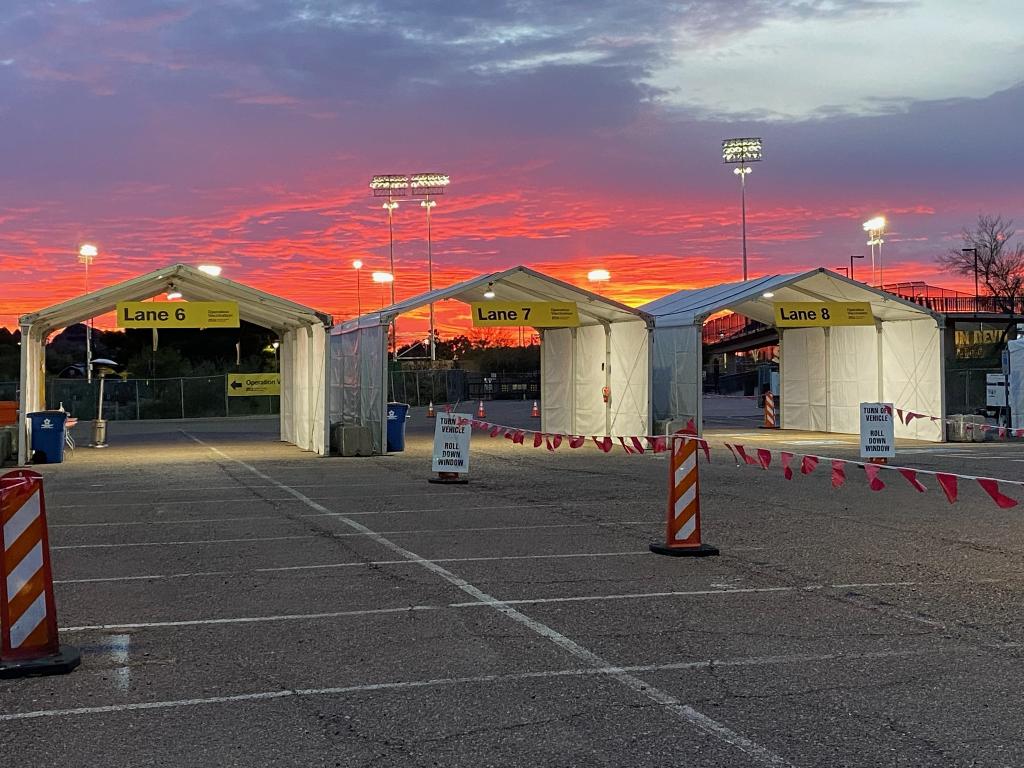

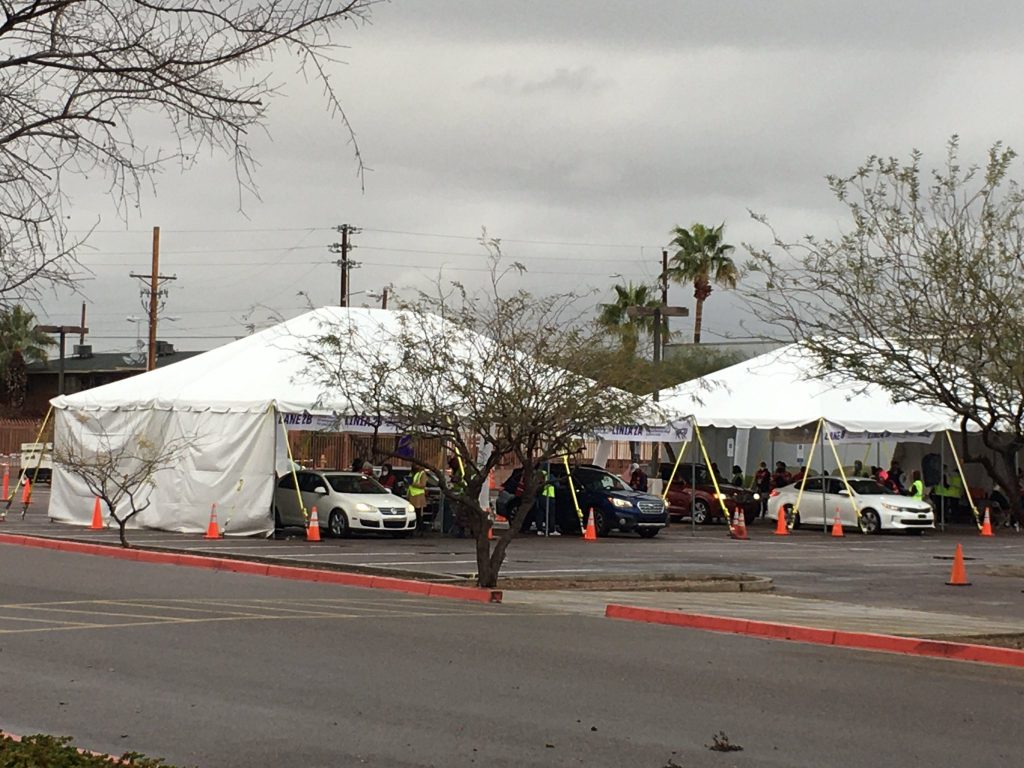

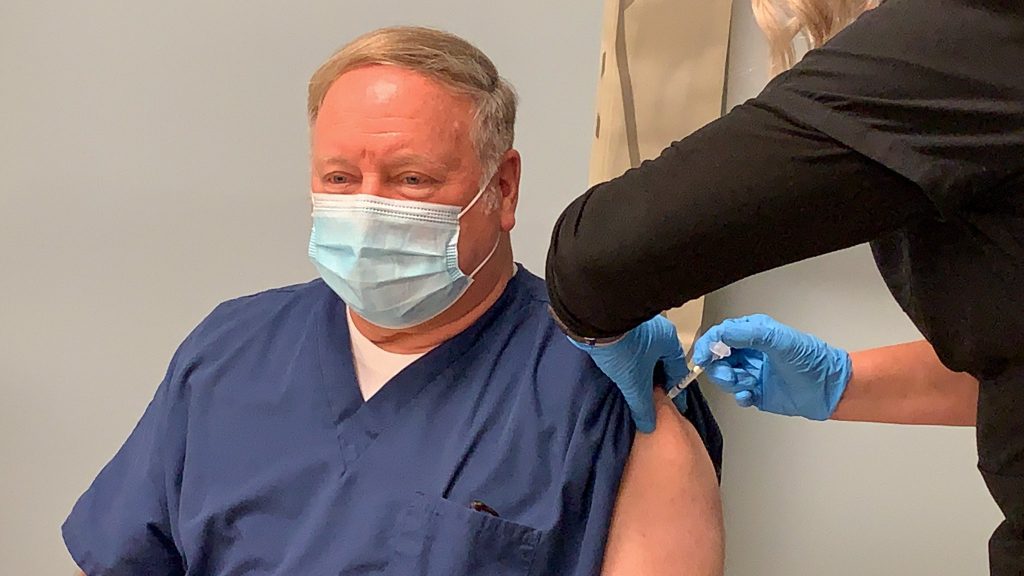




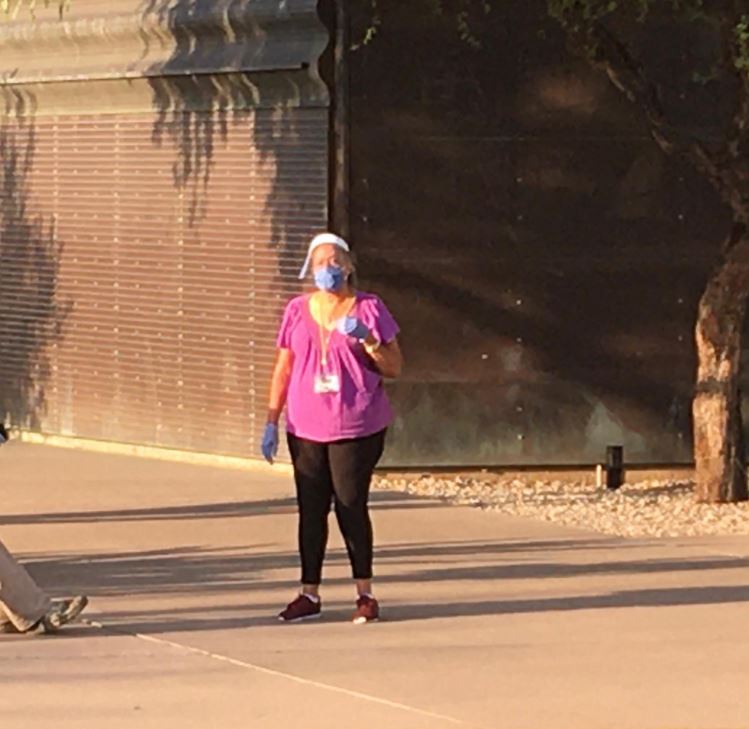
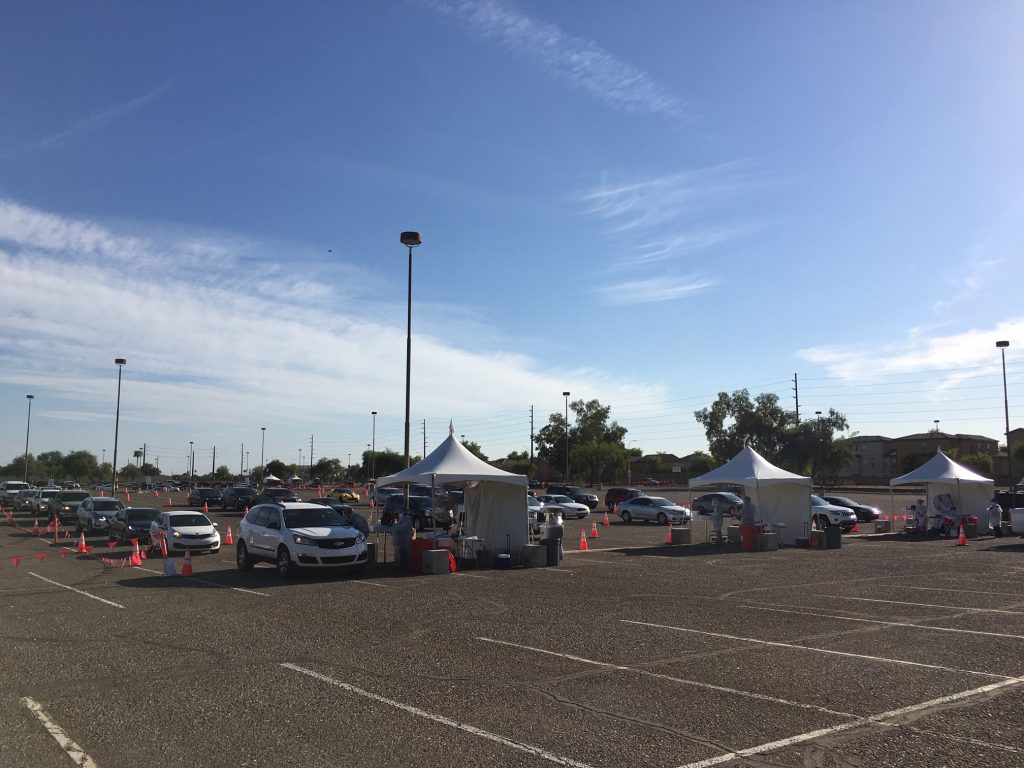
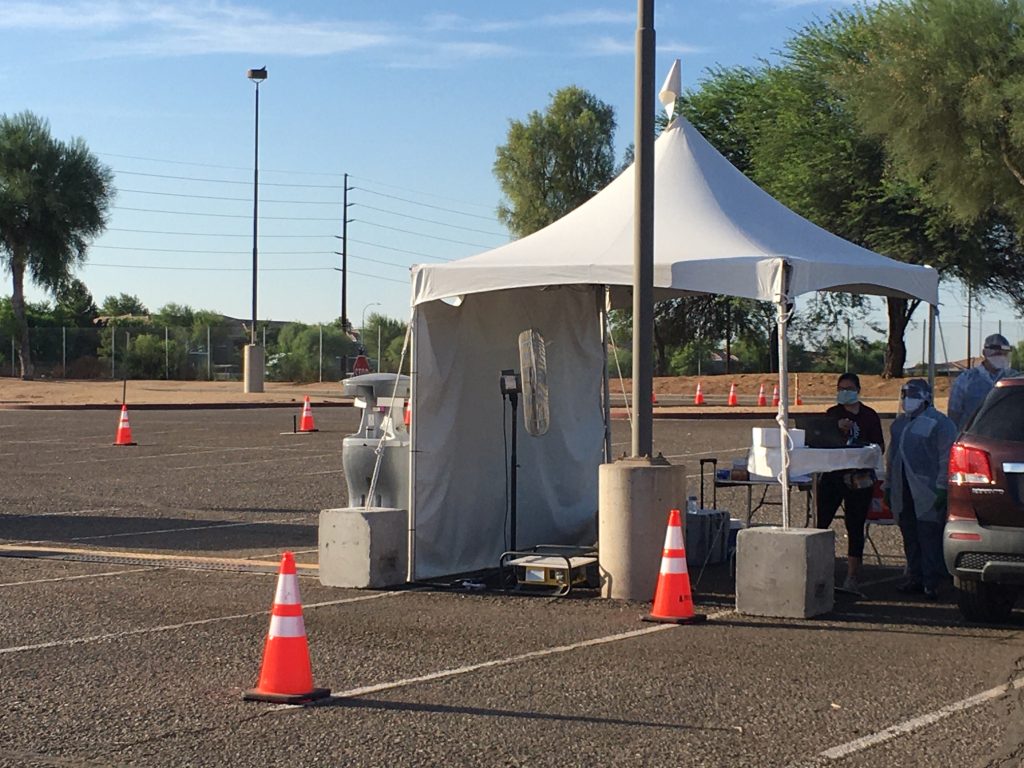
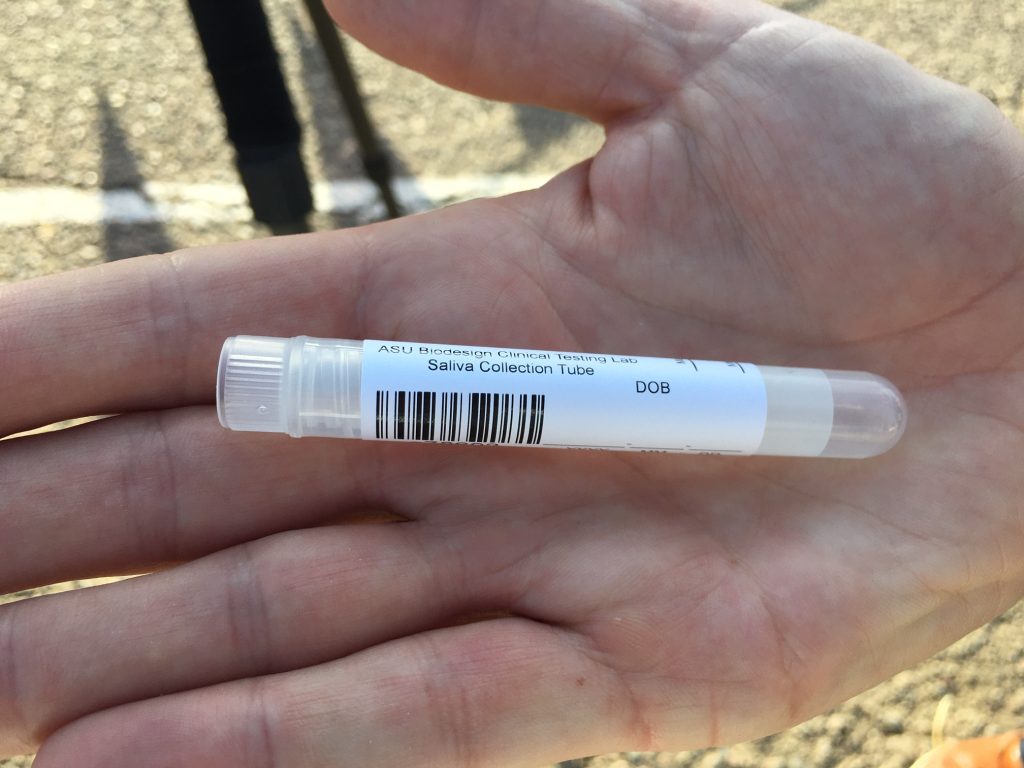


(Facebook Photo/Arizona State University)
(Facebook Photo/Arizona State University)
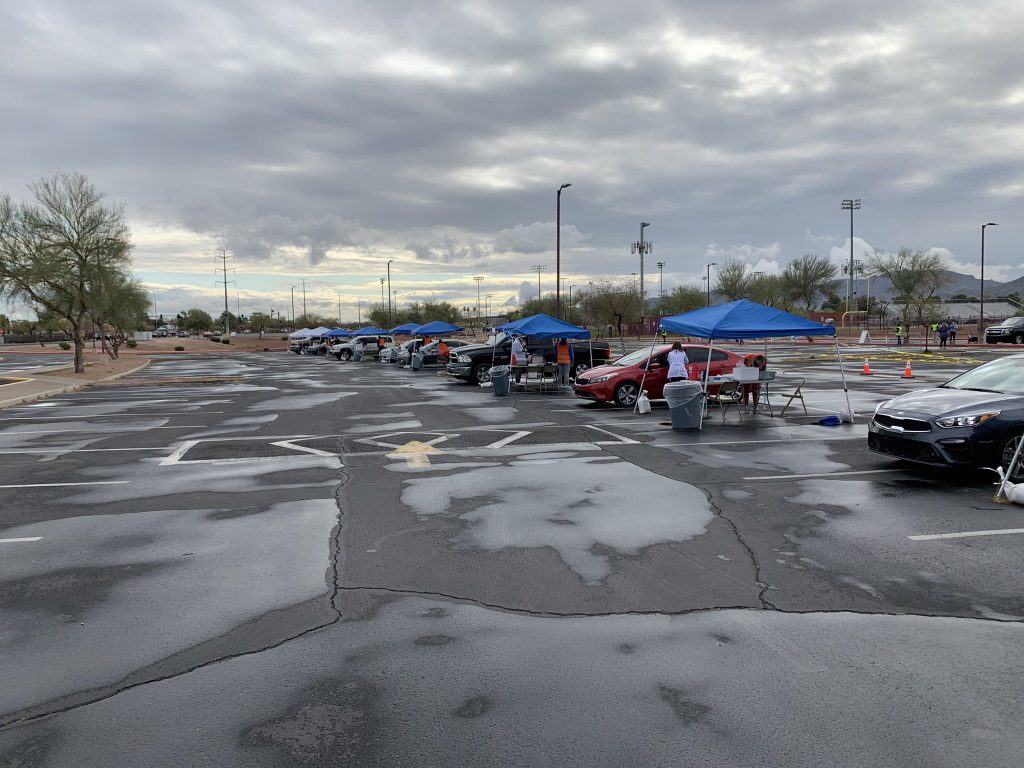
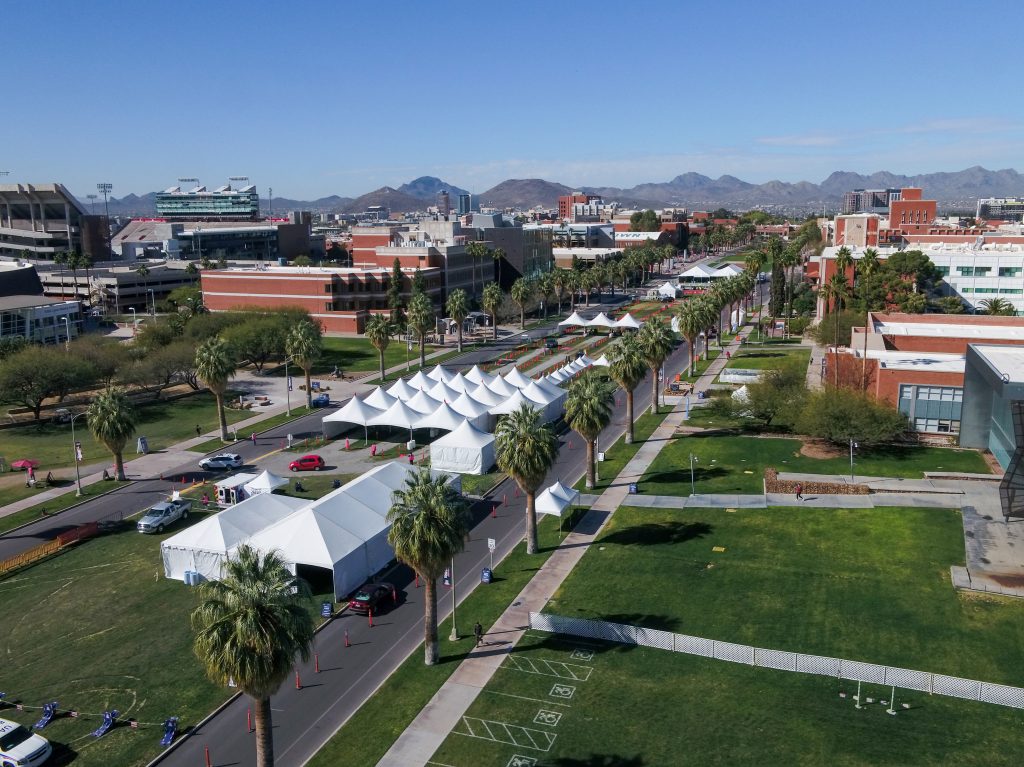
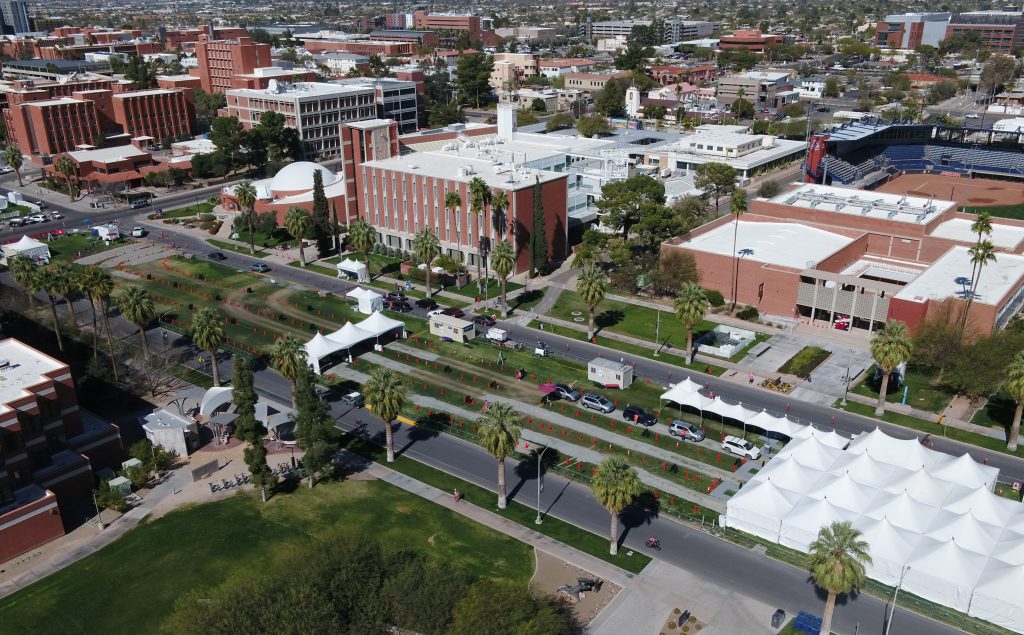
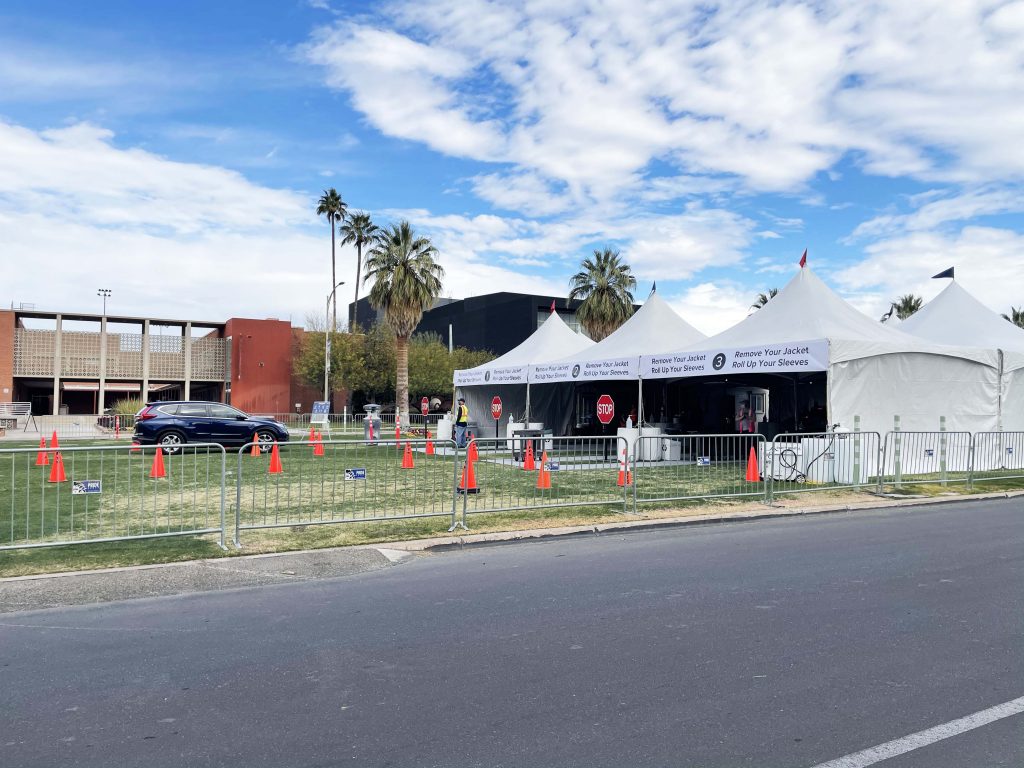
PHOENIX — Since early July, Arizona State University has tested patients for the coronavirus with diagnostic saliva-based testing.
Given its success, ASU is now ready to expand its testing platform, according to ASU Biodesign Institute Executive Director Dr. Joshua LaBaer
ASU announced last week it would offer the newly developed saliva-based test free to the public – including those who do not have insurance.
With two days of testing complete, LaBaer believes they are at the forefront of COVID-19 testing the new test.
They are continuing to test twice a week, but the goal is to scale up their platform and help meet the state’s demands for COVID-19 testing.
The ASU Biodesign Institute lab currently processes about 1,200 to 1,400 hundred COVID-19 tests daily, but LaBaer believes that number will increase to 16,000 per day.
“We are expanding the platform,” LaBaer added. “We are ordering a number of new robots and several of them have already arrived and are getting installed … We’re also continuing to hire new people.”
Patients are told to expect their test results within 48 hours, and many receive their results even earlier.
LaBaer also described the testing process as fairly painless compared to other methods.
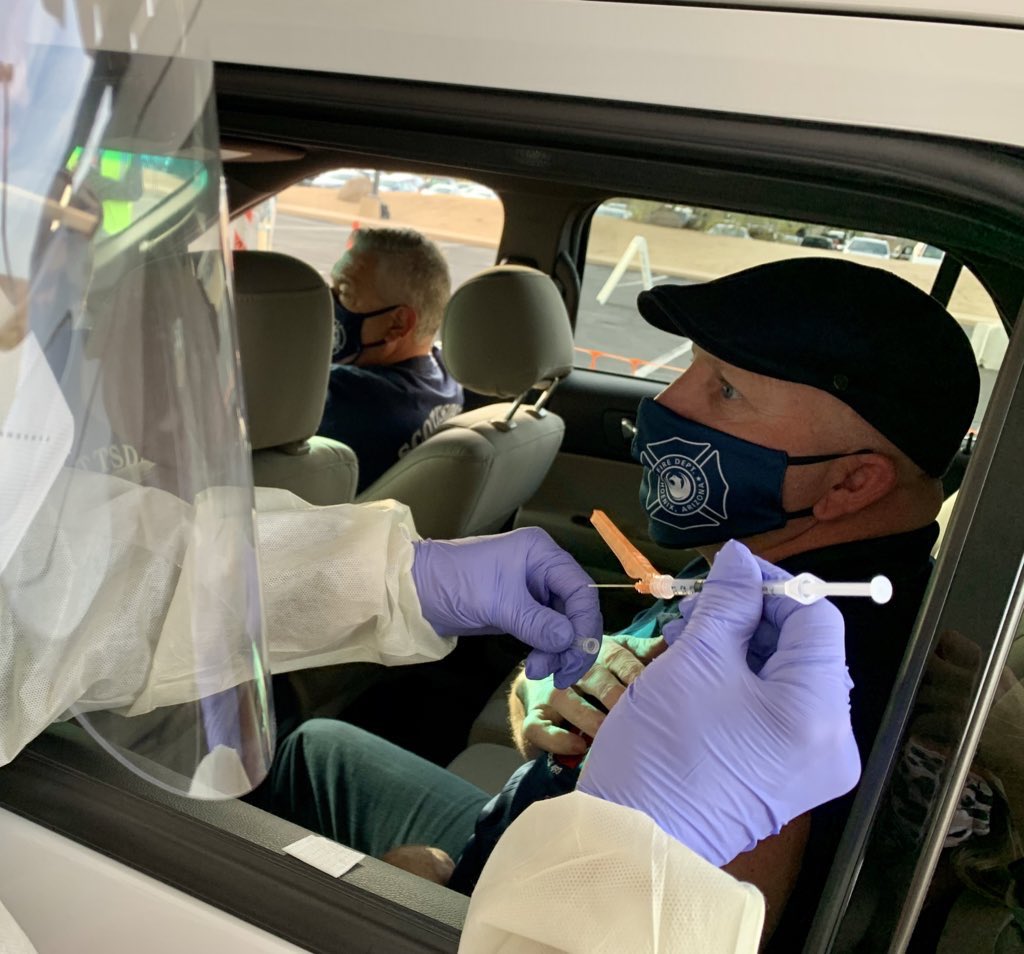
LaBaer described their testing as “far less invasive” than the nasal swab method. The test requires spitting into a straw and the saliva collects in a tube. The simplicity of the process allows it to be administered by anyone, not just medical professionals.
“By doing saliva collection, we can use any volunteers to collect samples,” LaBaer added.
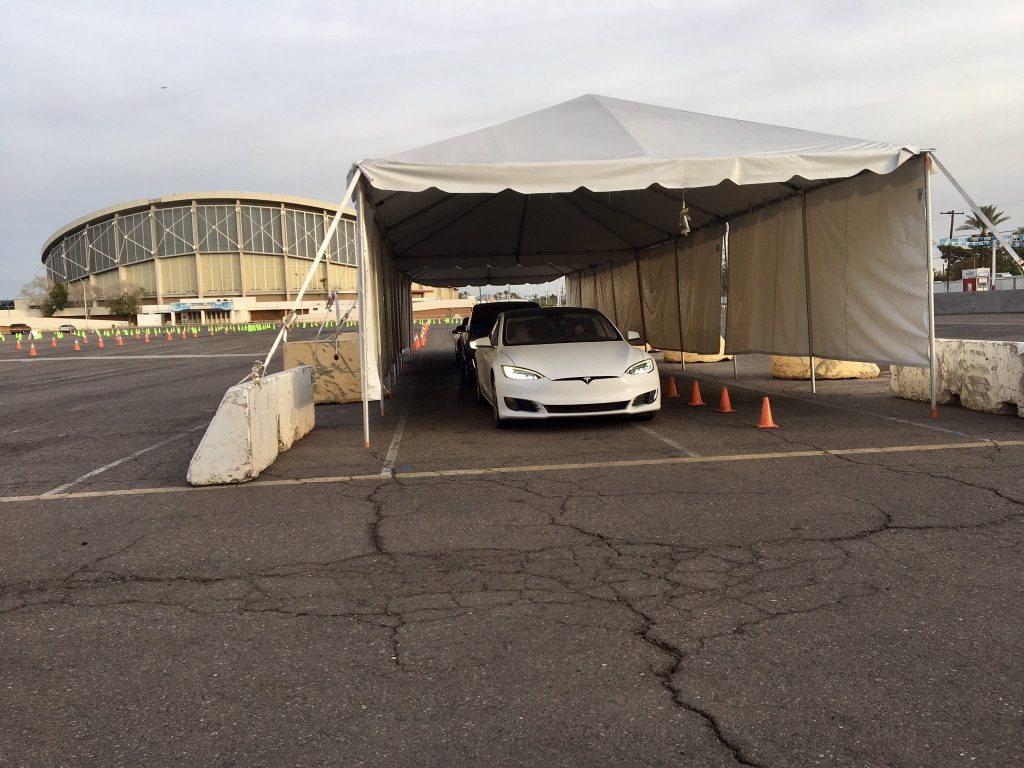
“Which means the medical personnel, the nurses we were using before can really focus on taking care of patients and not spend their time in parking lots.”
ASU’s Biodesign Institute continues to work closely with Arizona’s public health professionals at the state and local level to combat the spread of COVID-19 and better understand how the virus is acting in Arizona.
Related
 Maricopa County announces 6 new measles exposure sites in Chandler, Phoenix
 Dave Ramsey says: You’re really just trading one expense for another
 DOJ monitoring polling sites for voting rights compliance in 3 Arizona counties on Election Day
 Live updates for Arizona’s 2026 primaries: DOJ says it’s watching polls in 3 counties
 ‘We know it’s gonna be close,’ Gov. Katie Hobbs says as likely Andy Biggs matchup looms
 Technical issues disrupt a small number of Maricopa County voters on Election Day

Comments