
Teaching requirements for dual-language and CTE classes are getting stricter
The Arizona State Board of Education voted to approve changes to the Arizona Department of Education certification guidelines for teaching assignments at its meeting Monday.

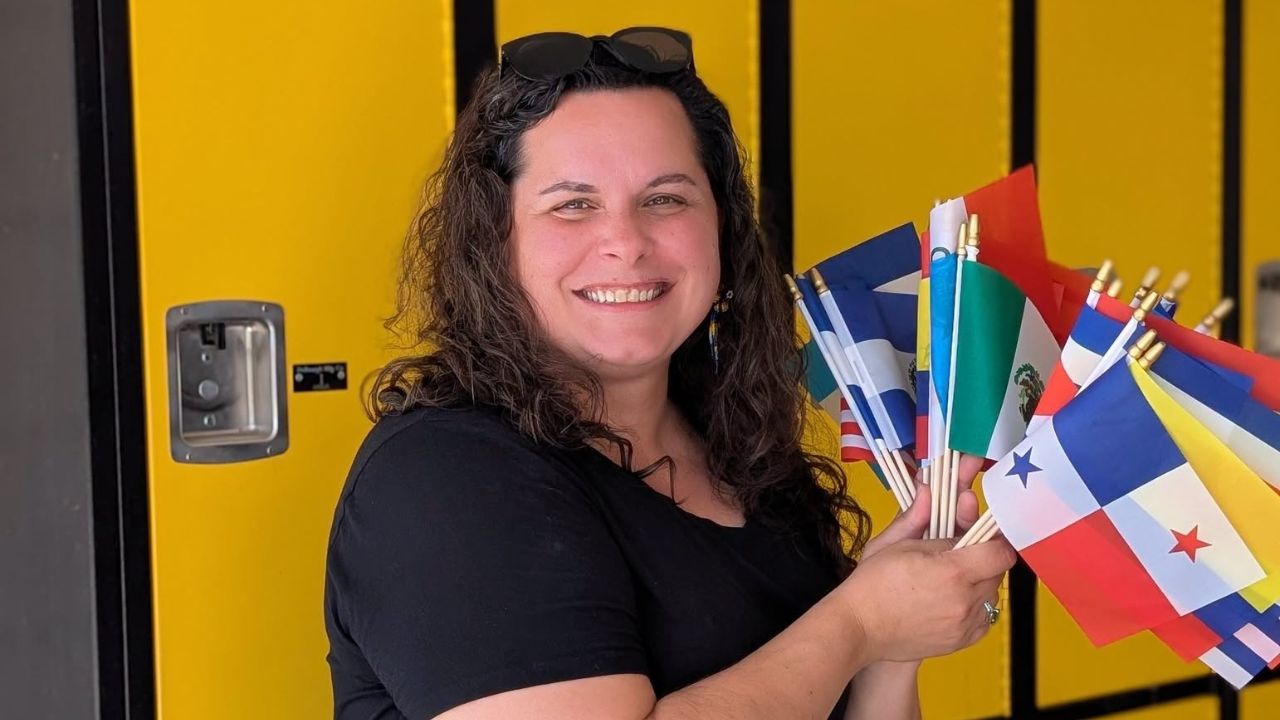
(Photo: Arizona Lutheran Academy via Facebook)
(Photo: Arizona Lutheran Academy via Facebook)
Teaching certificates for dual-language teachers and career and technical education instructors have changed, requiring teachers to be more qualified in those areas before leading a class.
The Arizona State Board of Education voted to approve changes to the Arizona Department of Education certification guidelines for teaching assignments at its meeting Monday.
Why are the requirements for teaching certifications changing?
The board meeting agenda identified two problems within the former certification requirements.
The first involved dual-language classes where 50% of the lessons are taught in English and the other 50% are taught in another language. This format is used for English learners as they immerse themselves in the school environment.
In the former version of the requirements, no specialized certificate was required for teachers in these classrooms.
In the revised requirements, teachers in dual-language classrooms with English learners must have a certificate in Structured English Immersion or English as a Second Language, or a full bilingual proficiency certificate earned through testing.
The other issue involved CTE courses. In the former version of the requirements, CTE certificates were required only for teachers instructing students in ninth through 12th grades.
What’s changing now?
Now, CTE course instructors for any K-12 class must have a certificate before teaching.
Board member Karla Phillips-Krivickas said these changes are just the start of improving classrooms for students by requiring teachers to be fully qualified.
“The current certification system we have is not completely reflective of what’s happening in the classroom. … 67% of kids with IEPs (individualized education programs) are in general education rooms all day. And so, I think we need to have these bigger conversations of whether the system that we’re using to certificate teachers and train them is really meeting the needs of the classroom,” she said.
How new requirements for teaching certificates impact students
Jacqui Clay, another board member, said the next steps should focus on certification requirements for students with special needs to make sure the teachers in their classrooms are properly prepared to meet their needs.
“We have our [overall] student enrollment going down, but our special needs students, they’re going up. And we need to ensure, beyond a shadow of a doubt, not just [that we] have special needs teachers, but that all of our teachers are trained to a certain point on how to deal with and how to help our students live to their potential,” she said.
Funding for this journalism is made possible by the Arizona Local News Foundation.
Subscribe to the KTAR Eyes on Education newsletter to get our top education stories, exclusive guest interviews and more to your email inbox.
Related
 School board protest halts business in Phoenix district
 Apache Junction offers a la carte public school classes for ESA families
 Red Mountain High School stays open despite flooding, electrical issues
 Arizona superintendent hopefuls debate ESAs, education funding and teacher pay
 Prop 320 receives no support during KTAR News town hall, compared to ‘punishment referral’
 Kimberly Yee, Teresa Leyba Ruiz face off in Arizona schools chief debate

Comments
0 Comments