
ASU program helping local businesses cut costs gets five-year expansion
The Department of Energy is providing $13 million to ITAC centers at universities around the country, including here in Arizona.

Watch: Sparky is in England this week to preview ASU London.mp4 | 41 seconds
Arizona State University’s Industrial Assessment Center program is getting a five-year expansion from the U.S. Department of Energy.
The ITAC program gives free assessments to local industrial facilities, with ASU students checking where companies could be saving money.
The assessments include checking water efficiency, LED lighting and pipe strength, while also allowing future engineers at ASU to get hands-on experience in the field when assessing local companies.
The Department of Energy is providing $13 million to ITAC centers at universities around the country.
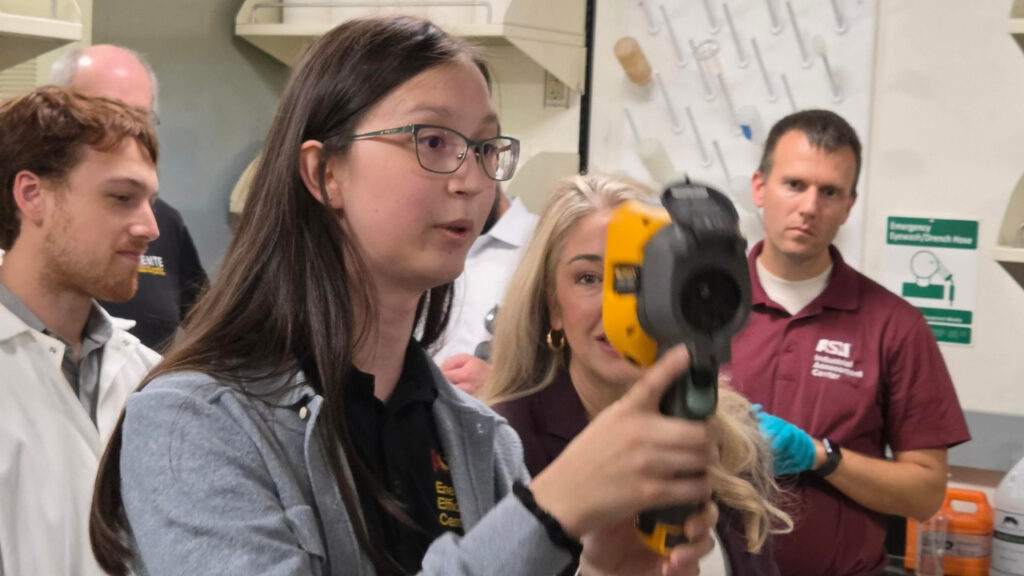
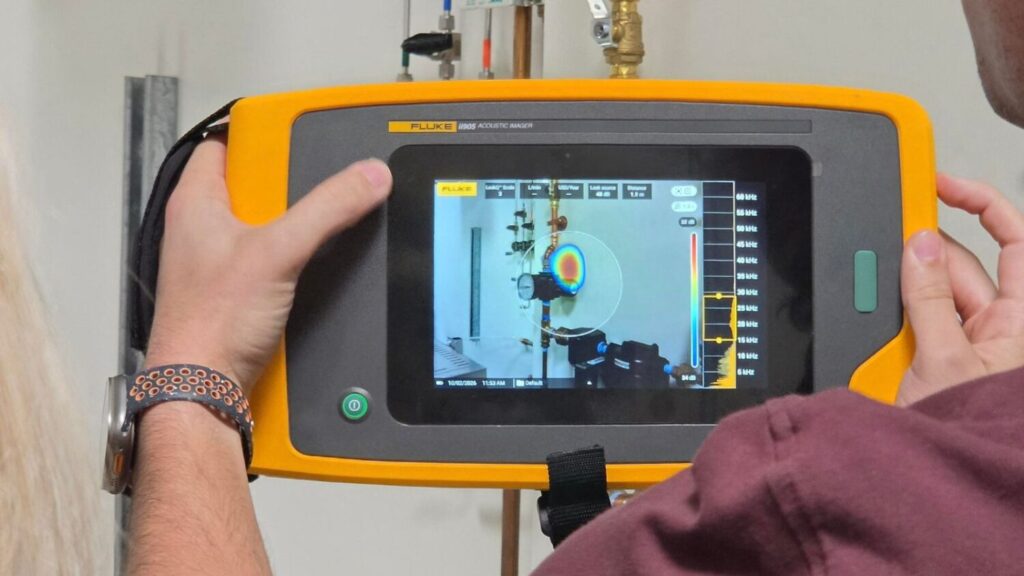
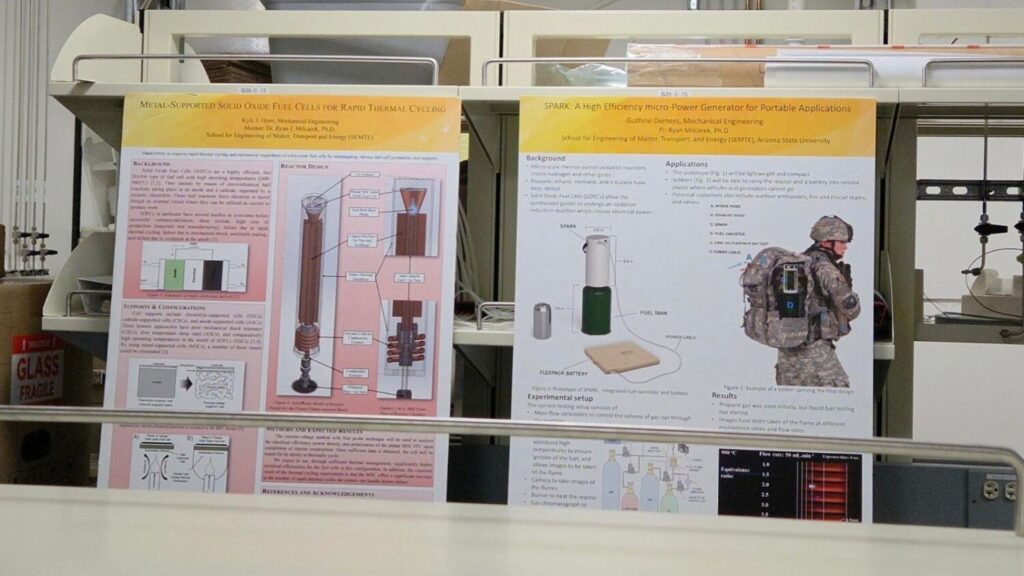
How ASU’s Industrial Assessment Center program helps local economy
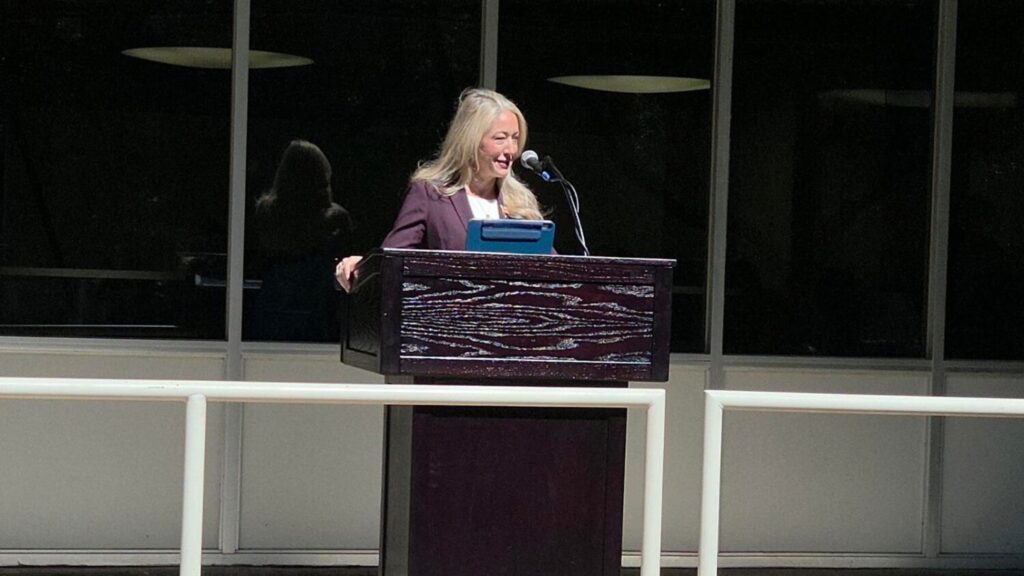
Rachael Overbey, chief of staff for the Office of Critical Minerals and Energy Innovation within the U.S. Department of Energy, said the program helps support multiple aspects of the local workforce and economy.
“Those dollars are dollars that companies can put back into their businesses. They can buy equipment. They can expand production and compete for new contracts. They support American jobs. At the same time, students gain experience working on actual factory floors alongside people who build things,” she said.
Patrick Phelan, associate dean of graduate programs at the Ira A. Fulton School of Engineering, said the ITAC program allows students to work as government employees while gaining skills that will transfer to future careers.
“We’ve done more than 600 of these energy audits, and so, during that time, we’ve recommended more than $100 million in annual energy savings [and] annual cost savings,” he said. “On average, more than $50,000 per year for each of our audits are implemented.”
Along with the expansion, the ITAC program at ASU will get a new track, with students focused on assessing mining and mineral processing facilities.
Funding for this journalism is made possible by the Arizona Local News Foundation.
Subscribe to the KTAR Eyes on Education newsletter to get our top education stories, exclusive guest interviews and more to your email inbox.
Related
 KTAR’s October ‘Pay Tribute to a Teacher’ award goes to Gilbert first-grade teacher
 New state assessment program helps Arizona teachers use data to personalize lessons
 Arizona ESA parent charged with submitting forged receipts for musical instruments
 $600,000 NASA grant to help Arizona universities teach AI for aerospace jobs
 Arizona Supreme Court approves GCU College of Law without ABA accreditation
 Peoria Unified faces $650K claim over alleged sexual misconduct by Mr. ORNG

Comments
0 Comments