
AMWUA (AZ MUNICIPAL WATER USERS ASSOC)
Colorado River crisis: Why Arizona can’t bear the burden alone
A new federal proposal for governing the Colorado River could devastate Arizona’s economy and water supply.

A new federal proposal for governing the Colorado River after this year, when current guidelines expire, could devastate Arizona’s economy and water supply. With ongoing drought and a warming climate reducing the river’s flow, the stakes have never been higher.
Here’s what’s happening and why it matters to you.
The shrinking Colorado River
The Colorado River is producing 20% less water now than it did at the beginning of this century. This is a result of a mega-drought combined with a hotter, drier climate, which means less runoff from even average snowpack in the Rocky Mountains. Lake Mead and Lake Powell are already at dangerously low levels, with storage capacity at only 30% full. Adding to an already bad situation, this winter could be the worst ever for the Colorado River Basin.
To prevent total collapse, the U.S. Bureau of Reclamation says massive cuts are needed — potentially up to 4 million acre-feet if conditions worsen. That’s enough water to serve 8 million households for a year.
An unfair burden on Arizona
The federal government recently released a 1,600-page draft Environmental Impact Statement (EIS) outlining alternatives for managing the river after this year. But the plan has critical flaws:
- Dead pool still could happen: No alternative proposed will prevent overall system failure. Dead pool – when water cannot pass through a dam and flow downstream – could still occur 9%-70% of the time over the next 20 years, depending on the scenario. Coming close to or hitting dead pool would be a national disaster.
- Targeting Arizona: All proposed water reductions fall on the Lower Basin states (Arizona, California and Nevada).
- Central Arizona hit hardest: Due to water-priority rules, central Arizona would bear the brunt of these cuts. The region includes the 10 AMWUA cities, which receive water through the Central Arizona Project (CAP), a canal system that delivers Colorado River water to central and southern Arizona.
- Upper Basin gets a pass: The plan requires nothing of Upper Basin states (Colorado, Utah, New Mexico, and Wyoming).
Why this matters – And what’s missing
If these proposals move forward, water supplied by the CAP could be reduced by 35% to 100% as early as next year. The consequences would be severe, as CAP supplies water to 80% of Arizona’s population, including 4.7 million residents in the Phoenix and Tucson metro areas. It also supplies essential businesses, financial institutions, universities and industries like semiconductor manufacturing, which are crucial to our national security and economy.
Reclamation’s analysis did not consider the repercussions if a community cannot meet its residents’ water needs due to a drastic reduction in its Colorado River supply. Despite these high stakes, the federal government’s 1,600-page report fails to analyze the economic consequences of these cuts, overlooking the wide-reaching impact on Arizona and the nation.
The bottom line
Requiring Arizona to bear the entire burden while other states avoid responsibility isn’t just unfair — it’s unsustainable. Although the situation is urgent, creating a fair plan will require all seven states to collaborate and make tough decisions. We need an equitable approach that shares the challenges of a shrinking river among all seven states, protecting both Arizona’s future and our national economy.
Learn more about the Colorado River’s importance through the Coalition for Protecting Arizona’s Lifeline, a nonpartisan alliance of leaders dedicated to educating, advocating and emphasizing the significance of long-term water security and economic resilience in our state: www.ProtectingArizonasLifeline.com.
For 57 years, the Arizona Municipal Water Users Association has worked to protect our member cities’ ability to provide assured, safe, and sustainable water supplies to their communities – Avondale, Chandler, Gilbert, Glendale, Goodyear, Mesa, Peoria, Phoenix, Scottsdale and Tempe. For more information on water, visit www.amwua.org.
Related
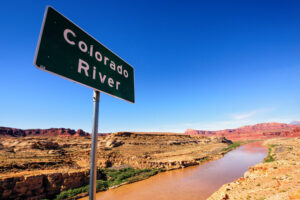 Arizona’s new water reality: Preparing for historic Colorado River cuts
 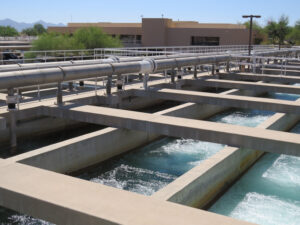 Advanced water purification: Creating Arizona’s next water supply
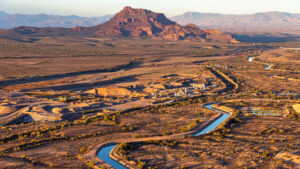 Colorado River shortage: Preparing for less available water in the Phoenix metro area
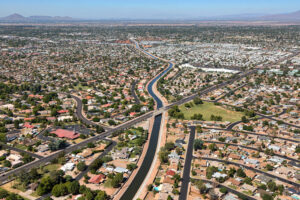 Securing Arizona’s water: Public calls for action and investment
  How the AMWUA cities are saving water: Conservation in action
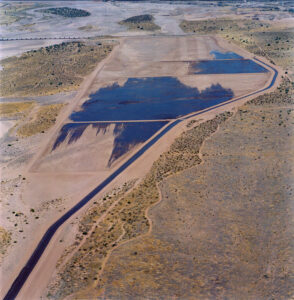 Storing water for our resilience
Comments
0 Comments