
Polly Anderson, longtime AP editor who steered many of the biggest US stories, dies

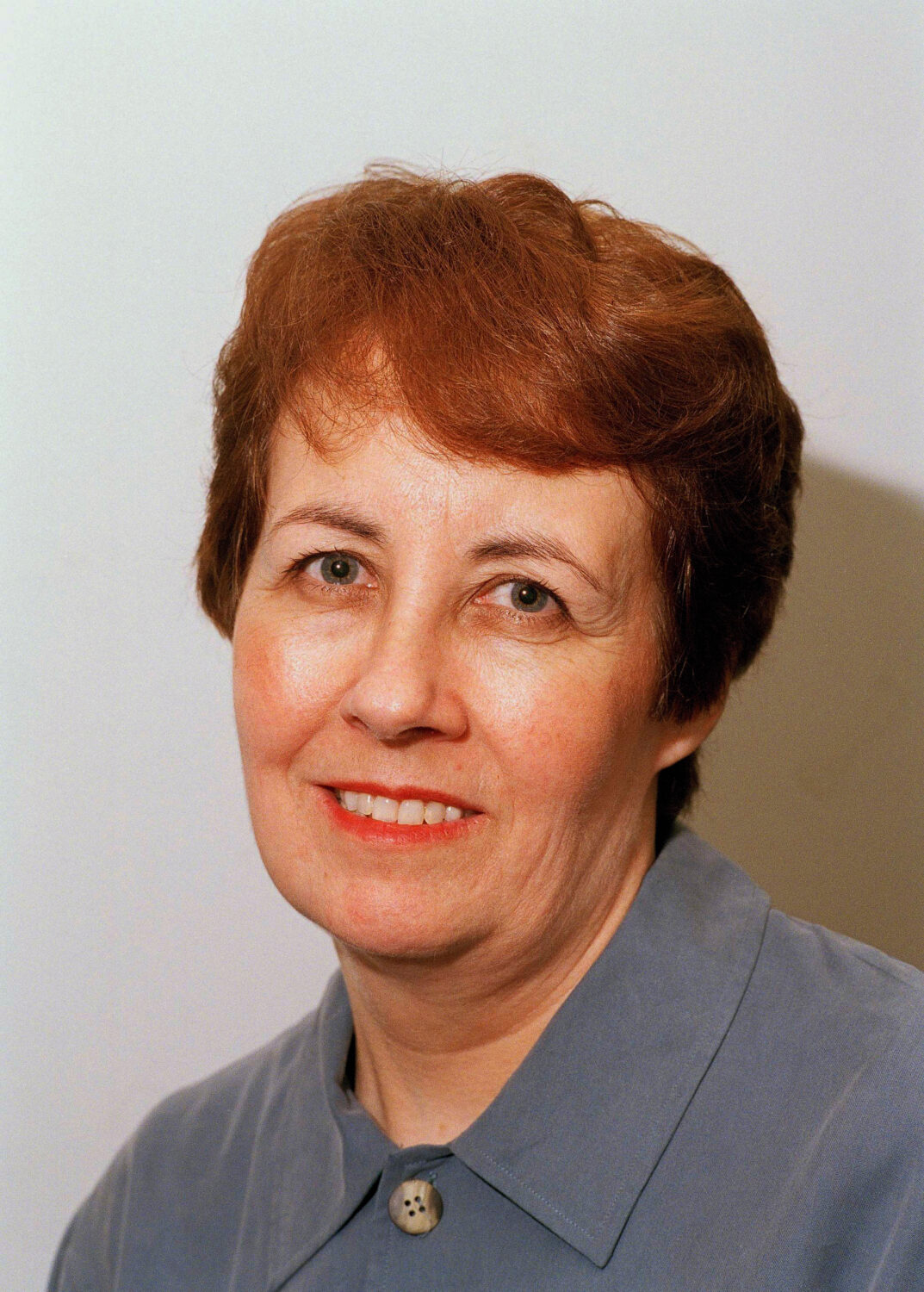
FILE - AP staffer Polly Anderson of the General Desk is pictured in New York, Oct. 25, 2001. (AP Photo/Marty Lederhandler, File)
Credit: AP Photo/Marty Lederhandler
(AP Photo/Marty Lederhandler, File)
Former Associated Press editor Polly Anderson, who shaped breaking news coverage of some of America’s biggest stories and researched and wrote advance obituaries for many celebrities during a 25-year run on the company’s national desk, has died.
Anderson died Sunday morning after battling Alzheimer’s disease, said her niece, Rachel Hassan. She was 75.
Anderson was remembered for her relentless work editing breaking news stories including 9/11 or the Oklahoma City bombing, her dogged demands for accuracy and quality, and the seemingly endless supply of diet colas at her desk in New York.
“She was a dedicated journalist who brought news to millions of readers. Like many wire reporters and editors, she tirelessly toiled without recognition from the general public,” said her longtime friend and colleague Marty Steinberg.
Hassan said her aunt knew how important her job was but never bragged about it.
“She was incredibly smart. She knew something about everything,” Hassan said.
Anderson joined the AP in 1985 on the company’s general desk, which was renamed the national desk in 2005. Until she retired in 2010, her job was to supervise U.S. news starting before the sun came up.
That put her in the hot seat during historic events like when a rental truck full of explosives destroyed a federal building in Oklahoma City in 1995, or the Sept. 11, 2001, attacks.
Anderson suggested the AP send out a “flash” when the twin towers fell in New York — something the organization only used for transcendent news events.
“Polly was an unforgettable colleague. She brought meticulous care to her job as the national editor on the 6 a.m. shift and as the steward of AP’s obituary coverage, and our preparation in coverage of major deaths still bears her fingerprints years later,” said Josh Hoffner, AP Global Sports Editor and former colleague on the national desk.
Anderson had her quirks. She didn’t have a phone, so she would call in news tips from a pay phone at the train station in Queens, where she lived. She loved cats and may have kept a few in or under her desk. She named one cat after the inventor of the Xerox copying machine. And there were all the diet colas.
She was remembered as diligent, caring and sensitive. During the crucible that was editing the 9/11 stories, she kept talking about all the people who likely lost their lives that day, Steinberg said.
She was tough but fair to those learning from her.
“I cannot say enough about the impact Polly had on editors like myself who worked the overnight shift on the General Desk and passed the reins to her when she came in at 6 a.m. If your copy wasn’t up to par, she’d rewrite it and show you how much better it could be. If she approved, it was validation of a job well done,” Hoffner said.
Anderson also made sure AP was ready when famous people died, often staying at the end of her shift to prewrite some of those stories herself, including for such celebrities as cable TV tycoon Ted Turner, actor Kirk Douglas, PBS newsman Jim Lehrer, singer Eartha Kitt, economist Paul Samuelson and the stars of the silent movie era, something she knew a lot about.
“She was vigilant — from preparing for their deaths to writing new ones and staying on top of the ones she had written. And she did this at the end of a long and exhausting news day,” Steinberg said.
Born in Chicago, Anderson grew up in Itasca, Illinois, and studied journalism at the University of Illinois Urbana-Champaign. She worked in her home state before joining the AP at its national headquarters in New York City in 1985.
Anderson was living in Richmond, Virginia, when she died. She is survived by two sisters — Sara Hassan in Richmond and Karen Anderson in Romsey, England.
Anderson spent nearly 25 years making AP’s news stories the best they could be and bringing light to those who worked with her, said Paula Froke, who as a news editor in Michigan was often edited by Anderson. She later worked alongside her as AP’s deputy national editor.
“Her tremendous spirit and devotion to her work were a model for all of us,” Froke wrote in an email. “She was a great journalist and an even better person.”
Related
 Why Donald Trump believed he needed to get Jensen Huang back on top at AI behemoth Nvidia
 How to land a WM Phoenix Open job as M Culinary Concepts hires hundreds
 States sue HUD over a rule that could cut off housing aid for mixed-status families
 Texas drops lawsuits that accused doctors of illegally providing transgender youth care
 Jensen Huang’s return to Nvidia caps a comeback bid that stumbled before White House helped
 Fury in Congress over Huang’s reinstatement as lawmakers move forward with hearings
Comments
0 Comments