
How to choose the best spot for your trees
With a little planning, you can enjoy the shade, beauty and privacy trees provide without creating unnecessary work for yourself or your home.
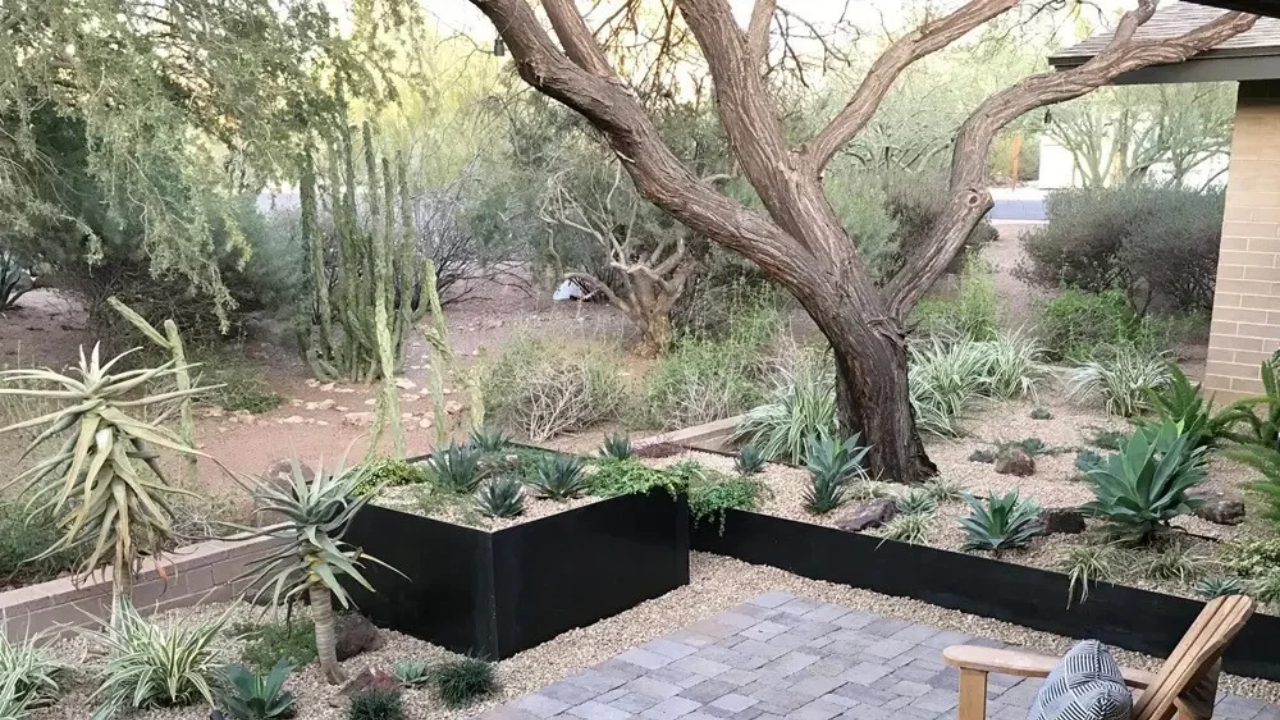
This mesquite tree is a good distance from the foundation. It has quite a bit of spread and the owners will need to watch that it does not lift tiles on the roof. (Photo: AMWUA)
(Photo: AMWUA)
Trees can do a lot for a yard: add shade during our blazing summers, add year-round privacy and curb appeal, and add a seasonal pop of color. Before you grab a shovel and dig a hole for a new tree, consider where it will live.
The right tree or bush in the wrong spot can mean extra maintenance, potential damage or a backyard full of unwanted debris. Planning before digging can save you a lot of headaches later.
Think about the future
That small tree at the nursery might look like the perfect fit for a narrow side yard, but what will it look like in 10 or 15 years? Mature size is one of the most important things to consider before planting. Check how tall and wide a tree will grow and make sure it has enough room to reach that size naturally.
It is also helpful to know a tree’s growth pattern. Some grow tall and upright; others spread outward or develop irregular canopies. A tree that starts compact might eventually crowd a walkway, bump against a wall or require constant pruning to stay in bounds.
“Trees should be planted at least half of their mature width away from houses, walls, or pavement, to prevent damage from roots,” said Kevin Erdmann, a master gardener at Berridge Nurseries. “The younger a tree is when planted, the better the tree does in the long run.”
At the start, Erdmann recommends digging a square hole as deep as the container and two to three times as wide. Native desert trees can do without soil conditioning, but most standard landscape trees need some to help them transition into our desert soil.
“I recommend taking the soil from the hole off to one side, and mixing it thoroughly with compost, at a rate of one-third compost to two-thirds native soil. Mixing in a cup or two each of rose food and soil sulfur is also a good thing,” he said.
Gently remove the tree from the container, place it in the hole, drive in a couple of stakes if needed, and fill in around the roots with the mixture, tamping it down gently.
Leave the top half-inch of the roots exposed. Remove the stake that the tree came with and tie it to the two new ones in two or three places. In a few weeks, loosen those ties a little so the tree can sway in the breeze; that helps the trunk thicken faster and gain strength.
Arizona’s growing conditions can also affect a plant’s shape and size. Too much water can encourage desert-adapted plants to grow larger than expected. Poor sunlight can cause them to stretch toward the sun and grow unevenly. Check the specific variety you are buying, too, because plants with similar names can have very different mature sizes.
The foundation needs breathing room
Trees and other landscaping can affect your home’s foundation, especially when watering and drainage aren’t managed properly. Plants draw moisture from the soil, which can contribute to soil movement and foundation settlement. Overwatering (including from leaking irrigation lines or heavily watered lawns) can also create problems.
No distance works for every tree and home, so consider the tree’s mature size, root system, watering needs and the conditions around your property.
Choosing drought-tolerant desert plants, repairing leaks, and moving plants that need frequent watering away from the foundation can help reduce issues. When in doubt, ask a landscape professional or foundation specialist to evaluate your property before planting.
Once you decide what to plant and get it in the ground, it’s time for water — and Erdmann said the first watering should be “massive”: about 15 to 20 gallons for every 10 inches of container width. Subsequent waterings should be 5 gallons per 10 inches every day in hot weather and every other day in cool weather.
“Gradually water less often, more at a time, and over a wider area as the tree grows. Watering deeply, but not very often, helps the roots to keep pace with the growth of the tree, so it doesn’t fall over in a monsoon a few years later,” he said. “Once established, hardcore desert trees can survive off rainfall, but since we are still in a long-term drought, they will be a lot happier with an all-night soak with a soaker hose, around four times, from spring to fall.”
Keep poolside planting practical
When you think of your backyard pool, you might picture a tropical vacation, palm trees, cool water, and a coconut drink in hand, but planting the wrong plants nearby can turn relaxation into constant cleanup.
Trees and shrubs that drop lots of leaves, flowers or other debris can leave you skimming instead of enjoying the pool. Debris can also clog filtration equipment.
That doesn’t mean you need to avoid trees around the pool altogether. Look for varieties suited to full sun and high temperatures and consider how much they shed. Trees with spreading roots may also threaten pool plumbing or plaster, so ask a professional whether a root barrier is appropriate.
Remember that pool water can affect nearby plants, too. Salt from saltwater pool systems can accumulate in the soil and damage sensitive plants. If you have kids (or love doing cannonballs), repeated splashing may discolor or dry out leaves. Choose plants that can tolerate your pool’s conditions.
Be careful around septic systems
If your property has a septic system, keep trees away from the tank and drain field. Tree roots naturally seek moisture and nutrients, and they can enter pipes and tank seams, potentially causing costly repairs.
Grass and shallow-rooted perennial flowers suit drain fields better than trees or large shrubs. Keep edible gardens away from septic areas, too, and consult a septic professional about appropriate planting distances for your system.
Choose the right tree for your yard
“The first thing I would do is look around the neighborhood for trees that you find attractive. It’s also good to check out the Arizona Municipal Water Users Association‘s free publications,” Erdmann said. “If you see something you like, take pictures (with the owner’s permission) and get it identified. Find out how big it gets and personal quirks like messiness, flowers, root suckers, deciduous or evergreen, etc.”
The best landscape works with your property, not against it. Before buying a tree, consider its mature size, sunlight requirements, water needs, root growth and seasonal debris. Small-space options such as mastic trees, Texas olive and Anacacho orchid trees may work well in some yards, depending on the location and growing conditions.
A knowledgeable nursery professional or licensed landscape contractor can help match the right tree to your space. With a little planning, you can enjoy the shade, beauty and privacy trees provide without creating unnecessary work for yourself or your home. For more, visit rosieonthehouse.com.
Related
 What homeowners need to know about artificial turf installation and maintenance in Arizona
 What’s beneath your feet? A crash course in carpet
 Arizona HVAC rebates expand homeowners’ options
 Better water starts with knowing all the information
 Good flooring starts below the surface
 Garage door warning signs homeowners shouldn’t ignore

Comments
0 Comments