
AMWUA (AZ MUNICIPAL WATER USERS ASSOC)
Colorado River shortage: Preparing for less available water in the Phoenix metro area
The Colorado River crisis is worse than we initially expected, but our cities have a plan to keep your tap flowing.

The Colorado River is facing serious challenges, and Arizona Municipal Water Users Association (AMWUA) cities are getting ready for what comes next. The federal government wants to significantly cut the amount of Colorado River water that Arizona, California and Nevada receive by up to 3 million acre-feet to protect the river from worsening conditions.
The Central Arizona Project (CAP), which brings Colorado River water to the Phoenix and Tucson areas, has junior water rights and will be the first to face cuts. This could mean much less CAP water delivered, or even a dry canal, depending on how bad conditions become for the Colorado River.
Here in Arizona, we’ve always managed our water carefully and planned for the long-term, and that foundation is exactly what the AMWUA cities are building on now. These efforts involve investing in innovative solutions for long-term water security and building new habits to intentionally reduce water use, both of which require support from residents and businesses.
Together, we can ensure a shortage on the river does not mean a shortage at your tap.
Cities are already acting
The Colorado River crisis is worse than we initially expected, but our cities have a plan to keep your tap flowing. Each city uses a different mix of water sources, including surface water, recycled water and groundwater, so the shortage will affect each one differently.
For now, cities might need to use some of their carefully stored groundwater, set aside for years to be used when it is needed most, such as during a Colorado River shortage. However, this is only a temporary solution. For the long term, we need to find new water sources.
The good news is that cities have been getting ready for this situation for years and are now taking even more steps:
- They are securing new water sources and funding to expand treatment plants and improve infrastructure. This includes using advanced metering, or AMI, to help customers track their water use and find leaks.
- Cities are also investing in technology-based solutions, such as Advanced Water Purification (AWP), to create a local water source that is efficient and drought-resistant.
- They are adopting policies and codes to ensure efficient water use is prioritized across their communities.
- Cities are updating their shortage plans, expanding conservation programs and improving their own water use to set a good example.
A new water reality for Arizona
The Colorado River is no longer the reliable water source it once was, so we must adapt to using less water. Meeting this challenge will take big investments from state and federal governments to create new water sources for our communities.
Arizona is not running out of water, but we are moving past the days of plentiful, cheap water. Keeping our water systems secure will require ongoing investments, which will be reflected in future water rates.
Your role in Arizona’s water future
Living in the desert means water is essential for everything we do.
We have faced challenges before and are ready to face them again, but everyone must do their part – by using less water, supporting your city’s initiatives that strengthen water security and staying informed about local efforts to build a resilient Arizona for all of us.
For 57 years, the Arizona Municipal Water Users Association has worked to protect our member cities’ ability to provide assured, safe and sustainable water supplies to their communities: Avondale, Chandler, Gilbert, Glendale, Goodyear, Mesa, Peoria, Phoenix, Scottsdale and Tempe. For more information, visit amwua.org.
Related
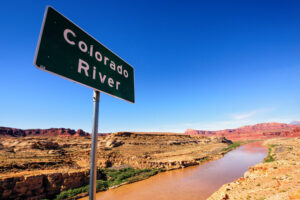 Arizona’s new water reality: Preparing for historic Colorado River cuts
 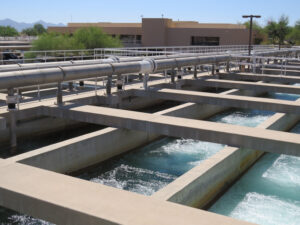 Advanced water purification: Creating Arizona’s next water supply
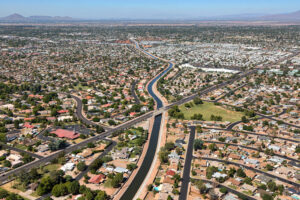 Securing Arizona’s water: Public calls for action and investment
  How the AMWUA cities are saving water: Conservation in action
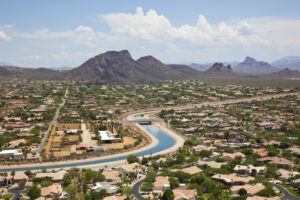 Colorado River crisis: Why Arizona can’t bear the burden alone
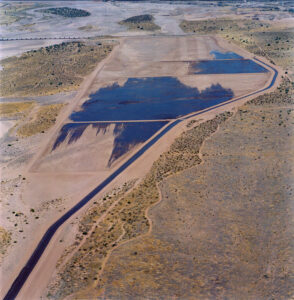 Storing water for our resilience
Comments
0 Comments