
Surprise man warning others after nearly losing his foot to cardiovascular condition
A 72-year-old Surprise man named Gregory Province nearly lost his foot to peripheral arterial disease. His Banner Health doctor shares advice.

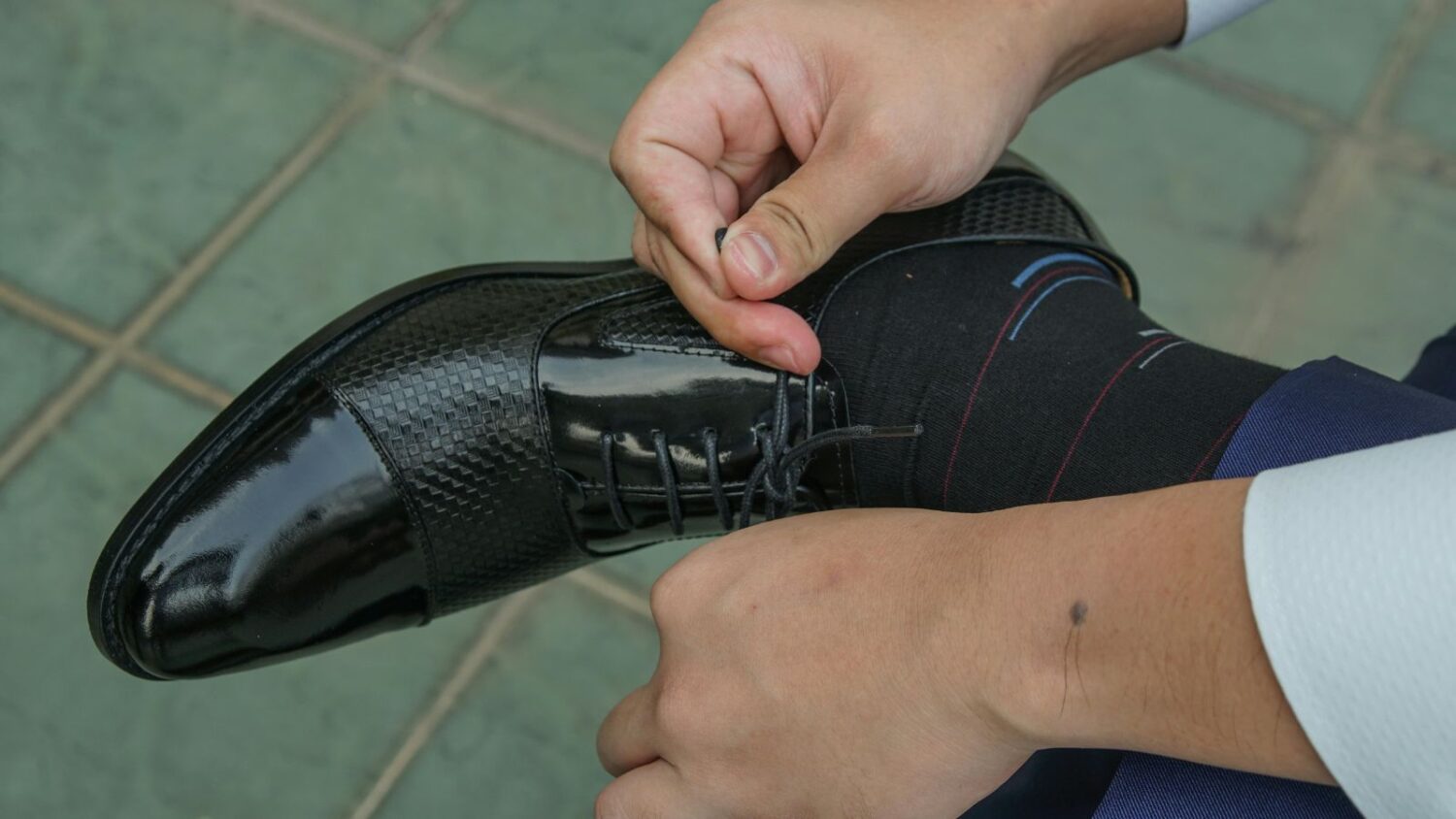
(Pexels File Photo)
(Pexels File Photo)
PHOENIX — A Surprise man who nearly lost his foot to a cardiovascular condition is sounding the alarm about peripheral arterial disease.
This condition occurs when plaque builds up in a person’s blood vessels, strangling blood flow to their torso, legs and feet. This puts a patient at risk for heart attacks, strokes or limb loss.
Gregory Province, who is 72, first noticed something was off when his leg started cramping after he got a cut while on vacation.
“A lot of us ignore those type of injuries. Especially, being a man, you kind of shrug it off,” Province told KTAR News 92.3 FM. “We don’t pay attention to our bodies enough.”
However, that blister turned into a cut that wouldn’t heal. Eventually, Province’s foot started turning black because there wasn’t enough blood flow to his leg.
“My podiatrist at that time sent me straight to the emergency room,” Province said. “That’s when they found out that I had 99% blockage in one artery in the leg and 95% blockage in the other artery, and there are only three arteries in the leg.”
How Surprise man received treatment for peripheral arterial disease
He eventually went to Dr. Ankur Shukla, a Banner Health vascular surgeon, for treatment. Medical professionals were able to save it, but it was a close call.
“About 15% of the population — so, if you look around, you know, one out of five, one out of seven individuals — will have some form of peripheral artery disease,” Shukla told KTAR News. “The crazy thing is that it’s not until it gets pretty severe that patients actually start to have symptoms.”
Shukla said peripheral arterial disease is often ignored until it’s too late, especially for African Africans like Province.
“The African American population in general tends to seek medical care a lot later,” Shukla said. “So, when they do present their disease, progress is further along on the journey, then could say, a non-African-American counterpart.”
It’s especially important to educate yourself about this disease because it can start as early as the age of 17, Shukla added.
If this health issue goes undiagnosed, the definitive outcome for most patients is amputation, he said.
How can one try to prevent peripheral arterial disease?
“If you notice some of the early signs and symptoms, which is when you’re walking, you start getting some cramps, don’t take that lightly,” Shukla said.
It’s always best to see a medical professional if one has any concerns about peripheral arterial disease, he added.
“A lot of it can be prevented with optimized medical care and a exercise training program,” Shukla said. “Worst-case scenario, if it progresses to something like Greg where you had a wound, then we have a lot of options as vascular surgeons, both minimally invasive and open, to help repair the end-stage disease.”
KTAR News 92.3 FM’s Kate Ourada contributed to this report.
Related
 Phoenix hospital becomes state’s 1st to use innovative brain surgery implant
 Valley nurse reunited with man she helped revive after heart attack
 Man survives 'widowmaker' heart attack hours after daughter's birth in Glendale
 State’s 1st primary care medical clinic for autism opens in Phoenix
 Phoenix Children’s uses model patients to teach healthcare workers new skills
 Barrow Neurological Institute gets $5M Arizona health grant for brain injury drug trial

Comments
3 Comments
FFS .. !
C'mon Gene - you knew he meant to say; PODIATRIST !
Just one MORE "Old Guy" thing that NOBODY ever told us about ..
I'm pretty active and in good physical shape (for the moment), BUT.. at 69yrs OLD .. anything can happen !